Canadian National Mill Inventory Survey
French Survey is below the English Survey
Help build a Canadian National Mill Inventory Database. Are you a small, medium or large manufacturer of natural fibres in Canada? We want to hear from you if you process any type of fibres in Canada.
The hope is that information and data like this will build resilience in our existing fibre economy. It can drive demand and better support for existing infrastructure and future growth in the fibre manufacturing industry across Canada.
All the results from this project will be shared openly and freely on the www.canadianwool.org website, including a mill business directory and map. This information will be distributed to farmers, artisans, designers, national organization and other businesses and individuals with the intention of highlighting the gaps and services that exist presently in our industry.
Research collection and data presentation being conducted by Anna Hunter of Long Way Homestead in cooperation with the Pembina Fibreshed and Canadianwool.org The inspiration for this survey is based on the national mill survey conducted by fibershed in the USA.
Thank you for your time and sharing information about your business for this Canadian National Mill Inventory. The survey should take between 5 - 8 minutes and we are grateful for the time you spend on it.
Disclaimer: These results will be made public - so please point out any information—including location and contact information—you would prefer remain private.

Canadian Wool Research & Data 2021
This research and data was conducted by Anna Hunter of Long Way Homestead. The research was not funded or sponsored by any organization and is being made available for public use. Please feel free to share, cross-post, and incorporate the data and information into your own wool based work, but we ask that you credit Long Way Homestead. If you want to support the ongoing research of wool in Canada, or if you have appreciated access to this research you can donate to Long Way Homestead.

The full report will be available soon.
The Effect of Drought on Wool Production
I was in my local yarn shop the other day and overheard a few folks talking about the current drought situation we are facing in Manitoba and how it's made knitting outside extra challenging because it is just too damn hot. I bit my tongue and bought the second replacement felting needles for my son (who perhaps is a bit too clumsy at this pre teen stage to use sharp/thin needles) and didn't give them my 2cents on the real challenges of the drought. This got me thinking, however, about how important it is that the broader fibre community understand the implications of this drought on our beloved wool.
Whether consumers are buying wool from local fibre farmers, or from large commercial yarn companies the effect of climate change will change the face of our industry. Not every farming community in Canada faced drought this year, in fact in Eastern Canada many farms struggled with too much moisture which also resulted in feed shortages. The prairies and Northern USA has been experiencing record breaking weather all season.

Conditions as of July 31, 2021
According to the Canadian Drought Monitor, Southern Manitoba has been under the classification of extreme drought which is having devastating effects on land and agriculture. With extreme high temperatures and little to no precipitation it has extreme consequences for farm and pasture land:
Drying out of pasture and range land
Decrease in yield of crops, feed crops and hay crops
Drying out of water dug outs and surface water
Increased wildfires
(Canadian Drought Monitor. July 2021)
It is a difficult and desperate time for many farmers who are struggling to feed animals, and plan for an uncertain future. The impact of decreased yields for all farmers will be felt around the world, most immediately for our food supply. But how will this drought impact our wool and textiles?
Perhaps the biggest impact that severe droughts have on sheep farms is the overall reduction in animals. Farmers must make hard decisions to ensure the health and productivity of a smaller number of sheep. Hay and feed prices have in some cases doubled making it financially challenging for farmers to feed all their sheep, or hay is not even available due to extremely low yields. More farmers are being forced to sell off or cull extra sheep to maximize the health of the rest of their flock. This will cause an overall decrease in the quantity of available wool in the coming year and a financial strain on those farmers.
Canada has not experienced drought conditions like this in recorded history, and even in similar drought seasons (1988 – 1989) there was not much collected data on the effect of drought on wool production. Data and information can be gathered from other wool producing nations that have experienced drought, such as Australia. Although overall environmental conditions are quite different, we can draw some comparisons on how drought conditions impact wool quality.
Drought conditions effect forage and water resources, this will impact the nutritional value and growth of pasture and feed crops. Overall wool health is linked to the nutrition of the sheep and any significant changes will be reflected in both the quantity and quality. Healthy wool growth requires nutrients such as amino acids, carbohydrates and protein. When these nutrients are not available in sufficient quantity the overall fleece yield is reduced. To make matters worse, lack of sufficient forage in drought seasons will also have a long lasting impact even after drought episodes.
Ewes that are bred during seasons of drought may grow lambs with lesser quantities of fleece. Lamb fetal development is impacted by the condition and health of the ewe. During the final two months of gestation the fetus is growing all of its secondary follicles. Once the lamb is born the number of follicles they developed is permanent and results in less fleece growth during its entire lifetime. With less nutritious pastures and hay crops farmers could see an overall decrease in the quantity of wool for years to come. (Wool Wise, 2014)
The quality of wool fibre will also be compromised by severe drought conditions. Particularly the staple length, strength and the fibre diameter. Sheep that are fed drought rations will experience cellular changes at the follicle level. This will mean shorter staple length and finer or uneven fibre diameters. In severe cases of drought with prolonged inadequate nutrition some follicles will stop producing fibre all together. Furthermore in can take up to 3 months for follicles to begin producing fibre even after a proper nutritious feed has been returned. (Wool Wise, 2014)
We know that staple length and staple strength affect the durability and elasticity of our yarn, so a decrease in staple health could mean yarn that it wont be as durable. In severe cases of staple weakness some wool may not even be suitable for yarn production at all. The drought of 2021 will undoubtedly affect the mean staple strength of the 2021 wool clip, but also could compromise wool grown in 2022 if drought conditions persist or if sheep cannot recover in time prior to shearing. This could potentially compromise two years worth of wool quality.
The fibre diameter of wool is also affected by the nutrition of the sheep. In some cases we see the fibre diameter become smaller or larger in under-nutrition feeding systems, such is the case during droughts. There will be inconsistency in the diameter along the staple length and thus lead to increased weakness in the fibre. There will be the potential for more breakage along the staple of the fibre and an overall degradation of the 'feel' and quality of the fibre. (Harle, K.J & Howden et al).
The cleanliness of the wool is also affected by drought. This is quite severe in Australia where the drought has persisted for many years and has been accompanied by devastating dust storms. Australian sheep farmers have seen a drastic change in the dirt content of their wool clip. This means the wool is more difficult to scour and thus worth less per pound at market. The Canadian prairies has a different landscape than Australia. But the drought conditions have resulted in more topsoil loss and dustier conditions for sheep that graze and live outside. The overall cleanliness of the wool can be affected and would make scouring and thus marketing more challenging.
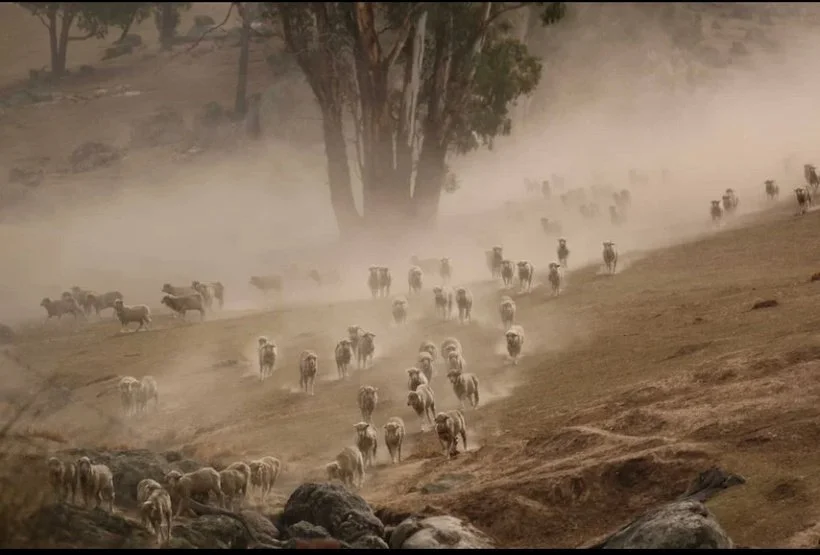
(Photo From ABC News in Australia, Franklin Hood)
Severe drought conditions have devastating effects on the land, plants, animals and our biosphere. The climate crisis is contributing to severe weather extremes around the world including drought. The long-term impact on our wool and textile industry could be devastating. But in many ways our existing textile industry is contributing to the very cause of its demise. Unfettered textile consumption and production is contributing to greenhouse gas emissions at an unprecedented rate. Run off from scouring and dyeing facilities is polluting fresh rivers, lakes and underground aquifers. The global transport of raw wool and then finished textiles is adding even more carbon to the atmosphere. So how can the textile and wool industry survive these extreme weather events and also decrease it's overall carbon footprint?
How to support fibre farmers during this time:
Reach out and check in, ask how the drought has affected them and their flock?
Support their business by purchasing wool, yarn, fibre and other things
Donate to fibre farmers or organizations that support farmers
How farmers and processors can adapt to drought:
Implement land management strategies that work to retain moisture. Many regenerative farming practices will help with water retention and prevent soil erosion: cover crops, managed grazing, shelter belts.
Minimize the consumption of water or recycle water for scouring, dyeing and processing of fibre
Keep our supply chain local and minimize the emissions caused by transporting raw and finished goods
Citations:
Canadian Drought Monitor https://agriculture.canada.ca/en/agriculture-and-environment/drought-watch-and-agroclimate/canadian-drought-monitor )
Harle, K.J. & Howden, Stuart & Hunt, L.P. & Dunlop, Michael. (2007). The potential impact of climate change on the Australian wool industry by 2030. Agricultural Systems. 93. 61-89. 10.1016/j.agsy.2006.04.003.
Wool Wise, The Australian Wool Education Trust, 2014 https://www.woolwise.com/wp-con
Fibre & Farm Market

Fibre & Farm Market - July 18, 2021
We are celebrating the 3rd birthday of our wool mill opening so we decided to have some fun with it. We’ve teamed up with Ferme Fiola Farm to organize a one day celebration of fibre and farm!
July 18 2021
10am - 5pm
Ste. Genevieve, MB Treaty 1 Territory
(map link to Ferme Fiola Farm 51078 MUN 41 E & Long Way Homestead 51077 MUN 41 E)
The market will take place at both Ferme Fiola Farm and Long Way Homestead less than a mile apart from each other. This is an outdoor, open air market featuring fibre and yarn, knitting notions, Naturally dyed clothing, cut flowers, sheep farm tours and so much more. Check out our list of vendors below (if you would like to be a vendor apply here)
Covid-19 Precautions
We are operating under the Government of Manitoba Farm Market Guidelines and Covid-19 Guidelines. We are operating as a public space and our capacity will be based on the current restrictions. We will have all vendor booths adequately spaced to ensure social distancing, hand sanitizing station, contact tracing and we will monitor capacity.
The market is a $5 suggested donation market with 100% of the fees going to the West Broadway Indigenous Agriculture Site an indigenous led permaculture garden and meeting place.
Vendors:
Bear & Bunny Yarn, Purl and Hank, Four Sons Farm, Dragon Fibre Bags, Wool Mountain, Beary Wise Creations, Dye For Ewe, Masagana Flower Farm & Studio, BLD Gardens, Hundred fold Farm, The Sheep-Ish Spinner, Manitoba Friendly
SponsorSHEEP Lambs 2021
Lambs are available for SponsorSHEEP in the farm store HERE.
We will be launching this years round of SponsorSHEEP lambs on Saturday, June 5th at 9am CST. We have 6 ewe lambs that we will be releasing for sponsorSHEEP. To sponsor any of them please visit the farm store here.
PLEASE NOTE: due to the limitation of our website, the only option available in the farm store is for $135 sponsorsheep. Please choose this option and if you want a higher level of sponsorSHEEP we will settle later.
Here is the description of this years new lambs available for sponsorSHEEP.
Ashoka’s Girl
This is a pure shetland ewe, her fleece looks chocolate brown, we imagine it will remain this colour or get slightly lighter. She was the first lamb born this year on April 23.

Rosie’s Girl
This is a pure shetland ewe, she appears to have the gulmoget colouring and looks a lot like the ram that fathered her. Her facial markings are so beautiful and she has the highest pitched little noises. She was born early in the morning on April 24.

Rosie’s girl is the smaller one on the left - it is very challenging to get a picture of her without her bigger brother!
Darby’s girl
This is a pure shetland ewe, and is also appearing to be the gulmoget colouring similar to the ram that fathered her. She was born April 24th early in the morning to a first time mom.

Odie’s Girl #1
This is our shetland/Merino X ewe that we bred with our shetland ram. She and her twin sister are already so much like their mom - friendly, curious and highly food motivated. Her fleece is brown and will most likely stay that way. The big difference between her twin is the white facial markings. She was born May 12th.

Odie’s Girl #2
This is our shetland/Merino X ewe that we bred with our shetland ram. She and her twin sister are already so much like their mom - friendly, curious and highly food motivated. Her fleece is brown and will most likely stay that way. She is slightly smaller than her sister. She was born May 12th.

Emily’s Girl
This is a pure shetland ewe, her colouring appears to be gulmoget, similar to that of the ram that fathered her. She was the last lamb born on the farm on May 27th. We imagine she will be friendly and love chin scratches just like her mama.

Read more from our BLOG:
-
December 2025
- Dec 5, 2025 Staggering Statistics Dec 5, 2025
-
November 2025
- Nov 23, 2025 Annual Holiday Market Nov 23, 2025
-
August 2025
- Aug 6, 2025 Why is there vegetable matter in my yarn - Carbonization and your wool Aug 6, 2025
- Aug 6, 2025 Folk Fest 2025 Aug 6, 2025
-
July 2025
- Jul 22, 2025 We are Hiring - Wool Mill Operator Jul 22, 2025
- Jul 6, 2025 Fibre & Farm Market - Saturday, July 26 Jul 6, 2025
-
May 2025
- May 14, 2025 10 Year Anniversary - Long Way Homestead in Manitoba May 14, 2025
- May 13, 2025 Book Launch - True Cost of Wool May 13, 2025
- May 1, 2025 Celebrate our 10 year Anniversary May 1, 2025
-
April 2025
- Apr 13, 2025 Upcoming Teaching and Speaking Events - Find a date near you! Apr 13, 2025
-
February 2025
- Feb 3, 2025 A note about Canadian Wool and the new USA Tarrifs Feb 3, 2025
-
January 2025
- Jan 25, 2025 Traceability & Transparency Jan 25, 2025
-
December 2024
- Dec 2, 2024 Big Bluestem Yarn Dec 2, 2024
-
October 2024
- Oct 16, 2024 2025 Calendar is here! Oct 16, 2024
- Oct 1, 2024 NEW Book - True Cost of Wool Oct 1, 2024
-
September 2024
- Sep 25, 2024 Fibre & Farm Fall Market - Saturday, Oct 5, 2024 Sep 25, 2024
- Sep 22, 2024 Top 10 Take-Aways from Sheep & Wool Camp - by Jane Westheuser Sep 22, 2024
-
June 2024
- Jun 7, 2024 Why Natural Dye Jun 7, 2024
-
April 2024
- Apr 26, 2024 Shearing Day Lunch - Recipe Apr 26, 2024
- Apr 12, 2024 Wool Bedding and Sleep Science Apr 12, 2024
-
January 2024
- Jan 19, 2024 Lectures and Presentation on Canadian Sheep and Wool Jan 19, 2024
- Jan 10, 2024 New Sheep - Welcome to our Registered Flock Jan 10, 2024
-
November 2023
- Nov 11, 2023 Merry Maker Market Nov 11, 2023
- Nov 5, 2023 Fibre & Farm Holiday Market Nov 5, 2023
- Nov 1, 2023 Holiday Gift Guide 2023 Nov 1, 2023
-
October 2023
- Oct 19, 2023 Pasture Raised Lamb for Sale Oct 19, 2023
- Oct 15, 2023 Celebrating 5 Years - RECAP Oct 15, 2023
- Oct 9, 2023 Grassland Yarn Oct 9, 2023
-
September 2023
- Sep 19, 2023 Wool Mill Celebration & Reflections Sep 19, 2023
-
July 2023
- Jul 31, 2023 5-Year Mill-aversary - come celebrate with us Jul 31, 2023
-
June 2023
- Jun 4, 2023 Fibre & Farm - Sunday, July 16 2023 Jun 4, 2023
-
January 2023
- Jan 1, 2023 Join us for a Farm & Mill Apprenticeship - Summer 2023 Jan 1, 2023
-
December 2022
- Dec 27, 2022 Is the Breed Study Right For You? Dec 27, 2022
- Dec 15, 2022 NEW On-line Breed Study Dec 15, 2022
-
November 2022
- Nov 26, 2022 About Wool Dryer Balls Nov 26, 2022
-
August 2022
- Aug 13, 2022 A Letter to the Federal Ag Minister Aug 13, 2022
-
June 2022
- Jun 10, 2022 Fibre & Farm Market Jun 10, 2022
-
May 2022
- May 15, 2022 Hiring a Fibre Mill Apprentice May 15, 2022
-
April 2022
- Apr 10, 2022 Shearing Festival 2022 Apr 10, 2022
-
February 2022
- Feb 24, 2022 A Little Too Little.... Feb 24, 2022
- Feb 5, 2022 Canadian National Mill Inventory Survey Feb 5, 2022
-
December 2021
- Dec 10, 2021 Canadian Wool Research & Data 2021 Dec 10, 2021
-
August 2021
- Aug 1, 2021 The Effect of Drought on Wool Production Aug 1, 2021
-
July 2021
- Jul 5, 2021 Fibre & Farm Market Jul 5, 2021
-
May 2021
- May 28, 2021 SponsorSHEEP Lambs 2021 May 28, 2021
-
December 2020
- Dec 16, 2020 Canadian Wool/Sheep Producers Survey Dec 16, 2020
-
November 2020
- Nov 10, 2020 Holiday Gift Guide 2020 Nov 10, 2020
- Nov 1, 2020 Traceability in the Canadian Wool Supply Chain Nov 1, 2020
-
August 2020
- Aug 27, 2020 Manitoba Fibre Trail Aug 27, 2020
-
July 2020
- Jul 22, 2020 Flower & Fibre Natural Dye Workshops Jul 22, 2020
- Jul 8, 2020 Farm Demonstration - Growing, Harvesting and Processing Japanese Indigo Jul 8, 2020
-
May 2020
- May 29, 2020 SponsorSHEEP Lambs 2020 May 29, 2020
- May 19, 2020 Building Resilient Fibre Systems in Canada - by Anna Hunter May 19, 2020
-
April 2020
- Apr 14, 2020 Why Breed Specific? Apr 14, 2020
-
February 2020
- Feb 18, 2020 New House Yarn - Polypay Chunky Feb 18, 2020
-
November 2019
- Nov 12, 2019 Gift Guide 2019 Nov 12, 2019
-
June 2019
- Jun 5, 2019 SponsorSHEEP lambs 2019 Jun 5, 2019
-
May 2019
- May 19, 2019 Shearing Festival April 2019 May 19, 2019
-
August 2018
- Aug 5, 2018 Lamb Day 2018 Aug 5, 2018
-
June 2018
- Jun 1, 2018 SponsorSHEEP 2018 - Jun 1, 2018
-
May 2018
- May 27, 2018 Shearing Day 2018 May 27, 2018
-
April 2018
- Apr 6, 2018 Surprise Lambs Apr 6, 2018
-
January 2018
- Jan 30, 2018 Breeding Season Part III: Chickens. (A post by Luke) Jan 30, 2018
-
December 2017
- Dec 24, 2017 Breeding Season Part II: SHEEP - A Post by Luke Dec 24, 2017
- Dec 3, 2017 Breeding Season Part 1: LLAMAS - A Post by Luke Dec 3, 2017
-
September 2017
- Sep 4, 2017 Our Year of Living Shepardly - A Post by Luke Sep 4, 2017
-
June 2017
- Jun 18, 2017 Lamb Day - June 25th Jun 18, 2017
- Jun 11, 2017 Sponsorsheep June 2017 Jun 11, 2017
-
May 2017
- May 30, 2017 REVIEW - SLOW TV: NATIONAL KNITTING NIGHT - a post by Luke May 30, 2017
- May 6, 2017 First Sponsorsheep Drop - May 7 May 6, 2017
-
April 2017
- Apr 2, 2017 Naturally Dyed Eggs Apr 2, 2017
-
February 2017
- Feb 5, 2017 Dakota Spinning Mill - A post by Anna Feb 5, 2017
-
January 2017
- Jan 25, 2017 Training Day Jan 25, 2017
-
December 2016
- Dec 12, 2016 Book Review: Haynes Sheep Manual - A post by Luke Dec 12, 2016
- Dec 4, 2016 Llama Trauma - a post by Luke Dec 4, 2016
-
October 2016
- Oct 30, 2016 Chickens of Destiny - a Post by Luke Oct 30, 2016
- Oct 24, 2016 Pattern Book Review - Flotsam & Jetsam by Ash Alberg Oct 24, 2016
- Oct 17, 2016 Sheep! Oct 17, 2016
- Oct 9, 2016 THE BALLAD OF WHEEZY MCSICKY PANTS - A Post by Luke Oct 9, 2016
-
September 2016
- Sep 26, 2016 Plants vs. Chickens Sep 26, 2016
-
August 2016
- Aug 30, 2016 Mama Llama Drama - a post by Luke Aug 30, 2016
-
July 2016
- Jul 27, 2016 Rooster Soup - Post by Luke Jul 27, 2016
- Jul 23, 2016 A Fence Post Jul 23, 2016
-
June 2016
- Jun 29, 2016 Arrivederci Figaro - A post by Luke Jun 29, 2016
- Jun 11, 2016 Jurassic Marsh - A post by Luke Jun 11, 2016
- Jun 5, 2016 Drive or be Driven Jun 5, 2016
-
May 2016
- May 20, 2016 Picking up Chicks May 20, 2016
- May 13, 2016 I might be crazy May 13, 2016
Canadian Wool/Sheep Producers Survey
Voir ci-bas pour le sondage en français

*** see below for english survey****
Currently in Canada there is no data regarding the small to medium scale wool industry. The only national statistics in Canada reference the wool that is collected and purchased by the Canadian Cooperative Wool Growers (CCWG) there are no statistics or data to date, that account for the wool grown, processed and sold by farmers and ranchers focusing on wool.
This research project aims to collect and analyze that data and produce information. This data can then be used regionally and nationally to promote and advocate for increased infrastructure, marketing, and support for rural communities and farmers/ranchers. This information can be used by fibreshed organizations and individuals, and will be available without charge in the form of reports and infographics.
The research will occur in two stages: the first will be an online survey, and for those participants who consent, a follow up phone call or zoom interview will be conducted. The primary survey asks financial questions regarding the income generated by the sale of raw wool or value added wool products. No personal details, information or financial information will be revealed in any of the reports. Participants can choose to remain anonymous. This data will develop an accurate picture of the fibre economy across the country, and will highlight the barriers to growth and resilience. This requires an accurate picture of the financial health of our existing small scale fibre economy. The research will also focus on the farms and farming practices that specifically work to sequester more carbon from the atmosphere through land and animal management.
A future goal of this research is to create an online database of fibre based farms and businesses across the country to be accessed by the public and consumers. Anonymous participants will have to request to be included in this database at a later date if name and contact information is not disclosed.
This research project is a joint effort between Anna Hunter (Long Way Homestead) and the Pembina Fibreshed. The lead researcher is Anna Hunter, with fibreshed members as the advisory committee. All questions can be directed towards info@longwayhomestead.com
The timeline for the project is as follows:
Primary research December 2020 – March 2021
Secondary research and interviews February 2021 – June 2021
Analyze and report data June 2021 – December 2021
You can complete the survey at the link here. Or you can fill the embedded form below. Please feel free to send the survey to other sheep farming friends/acquaintances you may know in Canada.
If you would like to financially support this research and follow along real time as we analyze the results, check out our patreon page.
Holiday Gift Guide 2020

It’s been a hard year for so many small businesses. Here in Manitoba we are heading into a code-red situation with the Coronavirus and total lockdown is upon us again. This means that any pre-holiday markets or sales will definitely not happen. I have appreciated the support of so many during the last 8 months who have chosen to support small businesses and shop ‘local’.
Here is my Gift Guide for 2020 - a curated list of my favourite items for gift giving from our farm and from other local Manitoba farmers and local wool producers! If you don't live in Manitoba, we encourage you to find out who your local farmers are. Purchasing directly from small farms makes a huge impact on our ability to do the kind of work we do! Our final delivery to Winnipeg before the holidays is December 21st.
Manitoba Regenerative Farmers that do weekly or monthly deliveries to Winnipeg, and will add some excellent food to your holiday feasting:
*** the bottom of the gift guide lists other fantastic makers in Manitoba that focus on local, sustainable textiles and farming!

If you are interested in the Canadian Wool Industry and would like to support the work we are doing around wool education & advocacy, consider supporting or gifting a monthly support for our Patreon. We are putting the Canadian wool industry under a microscope and re-imagining ways that we can build resilient, local fibre systems. you can read more about it here.

Climate Positive Toque
This toque was made using 100% rambouillet wool from a Manitoba sheep farm that utilizes carbon farming practices that sequester carbon from the atmosphere into the soil. The wool was spun in a low-emissions wool mill and manufactured in Eastern Manitoba. The toque was dyed using plants that were grown or foraged in Manitoba. (comes in white or light or dark grey)

Wool Pillows
Check out all the reasons why a wool pillow will contribute to your sleep:
1) wool is hypoallergenic.
2) wool is temperature regulating
3) wool is a natural, renewable and sustainable product.
4) wool is comfortable.
You can purchase 1 or a set of 2 pillows.

Solar Dye Kit
Our popular, natural dye solar dye kit. Includes 25 grams of dk or worsted weight wool (from our mill and locally harvested or grown natural dye materials. These kits are a simple introduction to natural dyeing and are a great option for kids as well!
This includes instructions for solar dyeing, and all the supplies. Jar not included to keep shipping costs low. Any 1 Litre glass jar will work - and a great option for reusing your old pickle jars!
This is a great gift idea for kids too!
Breed Specific Knitting Zoom Workshop
Each breed of sheep produces a distinct type of wool for knitting and crochet. Understanding the qualities and characteristics of these breeds will inform and accentuate your knitting. Texture, colourwork, cables and drape are all affected by the unique wool breeds.
This workshop will give a brief overview of some accessible single-breed wools and the variety they can offer to your knitting. We will also briefly explore the history and tradition of these single-breed wools. This workshop is an online ZOOM workshop, however samples of raw wool and finished yarn will be shipped prior to the class.

Wool Dryer Balls
About our WOOL dryer balls
100% wool (no synthetics), hypoallergenic
reduce drying time by improving air flow in the dryer
reduces static cling and keeps clothes soft
wool dryer balls should last 2-4 years

Gift Card
Want to give a Long Way Homestead gift to someone you love, or someone who loves Long Way Homestead? Now you can with our digital gift cards!

For a full list of all the breed specific and naturally dyed yarn we have check out our website HERE.
These are some other amazing farmers and makers in Manitoba who are focusing on local/sustainable fibre, yarn, natural dyeing, textiles! Shop local and support small businesses, farms and mills!
Traceability in the Canadian Wool Supply Chain

UPDATE: the survey is live, if you are a Canadian sheep Farmer or wool Producer please help us gather data around this important part of our industry. (survey at bottom of page)
If you follow us on Social Media you have probably seen our new series on the importance of traceability and the wool supply chain. We are sharing some highlights of our research on this important topic on social media, and we are compiling more in-depth research of both the small-scale and the large scale wool supply chain in Canada. We are also creating more infographics to make it accessible to the broader community.
We are passionate about wool and fibre and even more passionate about creating resiliency and traceability in our fibre and food supply chains. We appreciate the support that so many of you have given us and we hope that this work will be a campaign that you can get behind and support.
We plan to use the financial support through Patreon to allow us to continue this research and writing. It may take the form of a book, or infographics, workshops or perhaps all of these items. I’m compiling my research and experience into a more concise and accessible format. If you want to have primary access to it and/or if you want to support this ongoing work sign up for our Patreon. For the cost of a latte you can support us in producing writing and analysis of the Canadian Wool Supply Chain.

Manitoba Fibre Trail

The Manitoba Fibre Trail hits the road this year, a physically distanced celebration of our local fibre community. Visits farms, studios, markets and more to see many of the incredible makers and producers we have. For a full list of locations or to plan out your weekend of fibre check out the Manitoba Fibre Festival website here.
We will be open during the Fibre Trail:
Friday, Sept 11 4pm - 9pm
Saturday, Sept 12 10am - 5pm
Sunday, Sept 13 10am - 4pm
Come meet the sheep - and take a selfie with the llamas! Tour the wool mill and see how yarn and fibre is processed. Take a workshop or two! Enjoy a campfire and shop a great selection of yarn, fibre, raw wool, jewelry, and more!
We will have individually packaged drinks/coffee and snacks for sale.
We have an on-site washroom facility and lots of hand sanitizer and hand washing station.
The farm is mostly gravel and grass, the washroom and the mill have one step up (not wheelchair accessible)
Please limit the handling of yarn and fibre, wear a mask if you want and remember to keep a llamas distance (6ft) between yourself and others.
We are also excited to have the following vendors at the farm for the Fibre Trail:
FRIDAY: Bear and Bunny Yarn, MWL Wool Mountain, Purl & Hank Masagana Flower Farm
SATURDAY: A Gentler Time; North Sun Studio; Bear and Bunny Yarn; Enchanted Grove Alpacas MWL Wool Mountain, Purl & Hank Masagana Flower Farm Eddlewood Farm
SUNDAY: Bear and Bunny Yarn; MWL Wool Mountain; Purl & Hank Eddlewood Farm
We will have two workshops during the weekend:
We are very excited to host the Pembina Fibreshed’s Community Indigo Project - community indigo vat. For more details check it out here.

Directions to Long Way Homestead:
Here is a google link to the farm
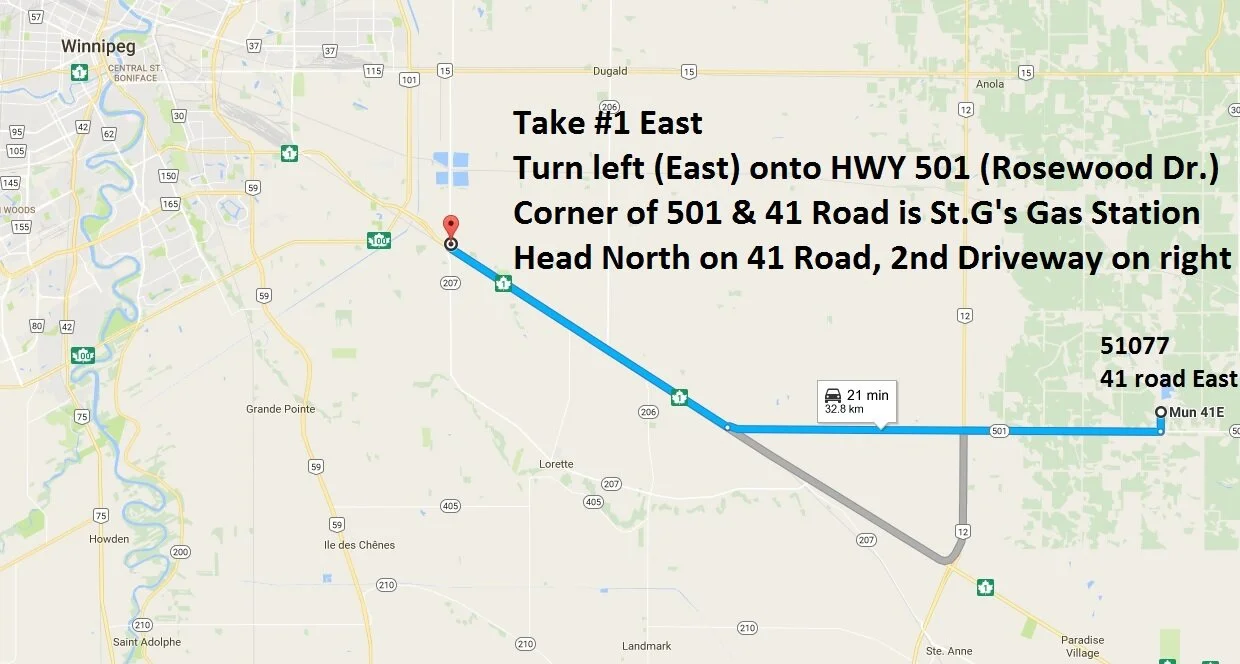
From Winnipeg: Head east on the trans canada highway. Just past the Centre of Canada sign turn left on the 501 highway. Follow this highway, about 5km past the number 12 highway you will see a small gas station, turn left on the 41 MUN Rd (watch for the Fibre Trail Signs). Take the second driveway on your right #51077.
From Northern/Interlake area: Head south on the #12 highway. Turn left on the 501 highway, and drive for, about 5km, you will see a small gas station, turn left on the 41 MUN Rd (watch for the Fibre Trail Signs). Take the second driveway on your right #51077.
Read more from our blog here:
-
December 2025
- Dec 5, 2025 Staggering Statistics Dec 5, 2025
-
November 2025
- Nov 23, 2025 Annual Holiday Market Nov 23, 2025
-
August 2025
- Aug 6, 2025 Why is there vegetable matter in my yarn - Carbonization and your wool Aug 6, 2025
- Aug 6, 2025 Folk Fest 2025 Aug 6, 2025
-
July 2025
- Jul 22, 2025 We are Hiring - Wool Mill Operator Jul 22, 2025
- Jul 6, 2025 Fibre & Farm Market - Saturday, July 26 Jul 6, 2025
-
May 2025
- May 14, 2025 10 Year Anniversary - Long Way Homestead in Manitoba May 14, 2025
- May 13, 2025 Book Launch - True Cost of Wool May 13, 2025
- May 1, 2025 Celebrate our 10 year Anniversary May 1, 2025
-
April 2025
- Apr 13, 2025 Upcoming Teaching and Speaking Events - Find a date near you! Apr 13, 2025
-
February 2025
- Feb 3, 2025 A note about Canadian Wool and the new USA Tarrifs Feb 3, 2025
-
January 2025
- Jan 25, 2025 Traceability & Transparency Jan 25, 2025
-
December 2024
- Dec 2, 2024 Big Bluestem Yarn Dec 2, 2024
-
October 2024
- Oct 16, 2024 2025 Calendar is here! Oct 16, 2024
- Oct 1, 2024 NEW Book - True Cost of Wool Oct 1, 2024
-
September 2024
- Sep 25, 2024 Fibre & Farm Fall Market - Saturday, Oct 5, 2024 Sep 25, 2024
- Sep 22, 2024 Top 10 Take-Aways from Sheep & Wool Camp - by Jane Westheuser Sep 22, 2024
-
June 2024
- Jun 7, 2024 Why Natural Dye Jun 7, 2024
-
April 2024
- Apr 26, 2024 Shearing Day Lunch - Recipe Apr 26, 2024
- Apr 12, 2024 Wool Bedding and Sleep Science Apr 12, 2024
-
January 2024
- Jan 19, 2024 Lectures and Presentation on Canadian Sheep and Wool Jan 19, 2024
- Jan 10, 2024 New Sheep - Welcome to our Registered Flock Jan 10, 2024
-
November 2023
- Nov 11, 2023 Merry Maker Market Nov 11, 2023
- Nov 5, 2023 Fibre & Farm Holiday Market Nov 5, 2023
- Nov 1, 2023 Holiday Gift Guide 2023 Nov 1, 2023
-
October 2023
- Oct 19, 2023 Pasture Raised Lamb for Sale Oct 19, 2023
- Oct 15, 2023 Celebrating 5 Years - RECAP Oct 15, 2023
- Oct 9, 2023 Grassland Yarn Oct 9, 2023
-
September 2023
- Sep 19, 2023 Wool Mill Celebration & Reflections Sep 19, 2023
-
July 2023
- Jul 31, 2023 5-Year Mill-aversary - come celebrate with us Jul 31, 2023
-
June 2023
- Jun 4, 2023 Fibre & Farm - Sunday, July 16 2023 Jun 4, 2023
-
January 2023
- Jan 1, 2023 Join us for a Farm & Mill Apprenticeship - Summer 2023 Jan 1, 2023
-
December 2022
- Dec 27, 2022 Is the Breed Study Right For You? Dec 27, 2022
- Dec 15, 2022 NEW On-line Breed Study Dec 15, 2022
-
November 2022
- Nov 26, 2022 About Wool Dryer Balls Nov 26, 2022
-
August 2022
- Aug 13, 2022 A Letter to the Federal Ag Minister Aug 13, 2022
-
June 2022
- Jun 10, 2022 Fibre & Farm Market Jun 10, 2022
-
May 2022
- May 15, 2022 Hiring a Fibre Mill Apprentice May 15, 2022
-
April 2022
- Apr 10, 2022 Shearing Festival 2022 Apr 10, 2022
-
February 2022
- Feb 24, 2022 A Little Too Little.... Feb 24, 2022
- Feb 5, 2022 Canadian National Mill Inventory Survey Feb 5, 2022
-
December 2021
- Dec 10, 2021 Canadian Wool Research & Data 2021 Dec 10, 2021
-
August 2021
- Aug 1, 2021 The Effect of Drought on Wool Production Aug 1, 2021
-
July 2021
- Jul 5, 2021 Fibre & Farm Market Jul 5, 2021
-
May 2021
- May 28, 2021 SponsorSHEEP Lambs 2021 May 28, 2021
-
December 2020
- Dec 16, 2020 Canadian Wool/Sheep Producers Survey Dec 16, 2020
-
November 2020
- Nov 10, 2020 Holiday Gift Guide 2020 Nov 10, 2020
- Nov 1, 2020 Traceability in the Canadian Wool Supply Chain Nov 1, 2020
-
August 2020
- Aug 27, 2020 Manitoba Fibre Trail Aug 27, 2020
-
July 2020
- Jul 22, 2020 Flower & Fibre Natural Dye Workshops Jul 22, 2020
- Jul 8, 2020 Farm Demonstration - Growing, Harvesting and Processing Japanese Indigo Jul 8, 2020
-
May 2020
- May 29, 2020 SponsorSHEEP Lambs 2020 May 29, 2020
- May 19, 2020 Building Resilient Fibre Systems in Canada - by Anna Hunter May 19, 2020
-
April 2020
- Apr 14, 2020 Why Breed Specific? Apr 14, 2020
-
February 2020
- Feb 18, 2020 New House Yarn - Polypay Chunky Feb 18, 2020
-
November 2019
- Nov 12, 2019 Gift Guide 2019 Nov 12, 2019
-
June 2019
- Jun 5, 2019 SponsorSHEEP lambs 2019 Jun 5, 2019
-
May 2019
- May 19, 2019 Shearing Festival April 2019 May 19, 2019
-
August 2018
- Aug 5, 2018 Lamb Day 2018 Aug 5, 2018
-
June 2018
- Jun 1, 2018 SponsorSHEEP 2018 - Jun 1, 2018
-
May 2018
- May 27, 2018 Shearing Day 2018 May 27, 2018
-
April 2018
- Apr 6, 2018 Surprise Lambs Apr 6, 2018
-
January 2018
- Jan 30, 2018 Breeding Season Part III: Chickens. (A post by Luke) Jan 30, 2018
-
December 2017
- Dec 24, 2017 Breeding Season Part II: SHEEP - A Post by Luke Dec 24, 2017
- Dec 3, 2017 Breeding Season Part 1: LLAMAS - A Post by Luke Dec 3, 2017
-
September 2017
- Sep 4, 2017 Our Year of Living Shepardly - A Post by Luke Sep 4, 2017
-
June 2017
- Jun 18, 2017 Lamb Day - June 25th Jun 18, 2017
- Jun 11, 2017 Sponsorsheep June 2017 Jun 11, 2017
-
May 2017
- May 30, 2017 REVIEW - SLOW TV: NATIONAL KNITTING NIGHT - a post by Luke May 30, 2017
- May 6, 2017 First Sponsorsheep Drop - May 7 May 6, 2017
-
April 2017
- Apr 2, 2017 Naturally Dyed Eggs Apr 2, 2017
-
February 2017
- Feb 5, 2017 Dakota Spinning Mill - A post by Anna Feb 5, 2017
-
January 2017
- Jan 25, 2017 Training Day Jan 25, 2017
-
December 2016
- Dec 12, 2016 Book Review: Haynes Sheep Manual - A post by Luke Dec 12, 2016
- Dec 4, 2016 Llama Trauma - a post by Luke Dec 4, 2016
-
October 2016
- Oct 30, 2016 Chickens of Destiny - a Post by Luke Oct 30, 2016
- Oct 24, 2016 Pattern Book Review - Flotsam & Jetsam by Ash Alberg Oct 24, 2016
- Oct 17, 2016 Sheep! Oct 17, 2016
- Oct 9, 2016 THE BALLAD OF WHEEZY MCSICKY PANTS - A Post by Luke Oct 9, 2016
-
September 2016
- Sep 26, 2016 Plants vs. Chickens Sep 26, 2016
-
August 2016
- Aug 30, 2016 Mama Llama Drama - a post by Luke Aug 30, 2016
-
July 2016
- Jul 27, 2016 Rooster Soup - Post by Luke Jul 27, 2016
- Jul 23, 2016 A Fence Post Jul 23, 2016
-
June 2016
- Jun 29, 2016 Arrivederci Figaro - A post by Luke Jun 29, 2016
- Jun 11, 2016 Jurassic Marsh - A post by Luke Jun 11, 2016
- Jun 5, 2016 Drive or be Driven Jun 5, 2016
-
May 2016
- May 20, 2016 Picking up Chicks May 20, 2016
- May 13, 2016 I might be crazy May 13, 2016
Flower & Fibre Natural Dye Workshops
We will be having 3 scheduled Flower & Fibre Natural Dye workshops at Long Way Homestead. These are hands-on experiential workshops accessible to anyone (no skill level required).

These workshops are NOT intensive natural dye workshops - however, you will be equipped with basic natural dye skills. Dye day workshops will include more than just dyeing yarn, learn about our permaculture dye gardens, and why breed matters when it comes to dyeing fibre.

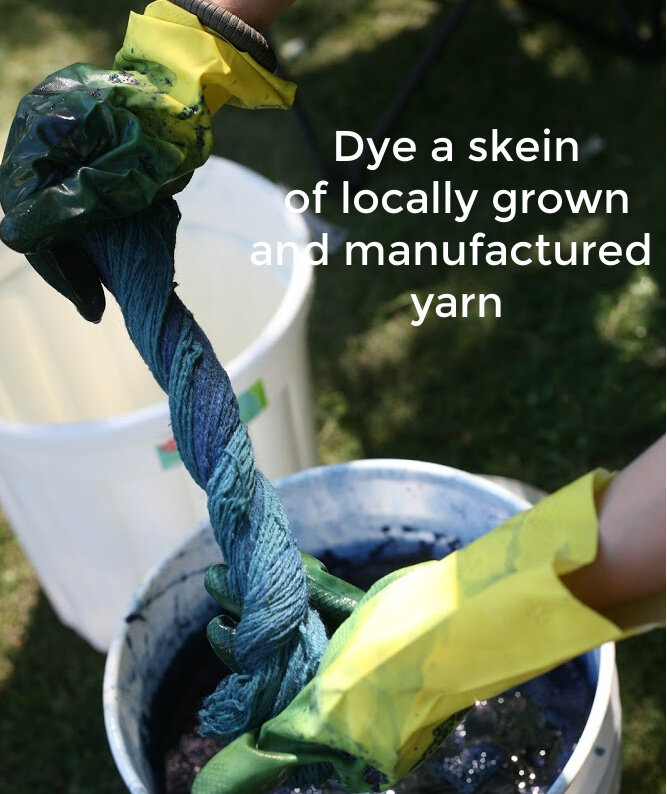
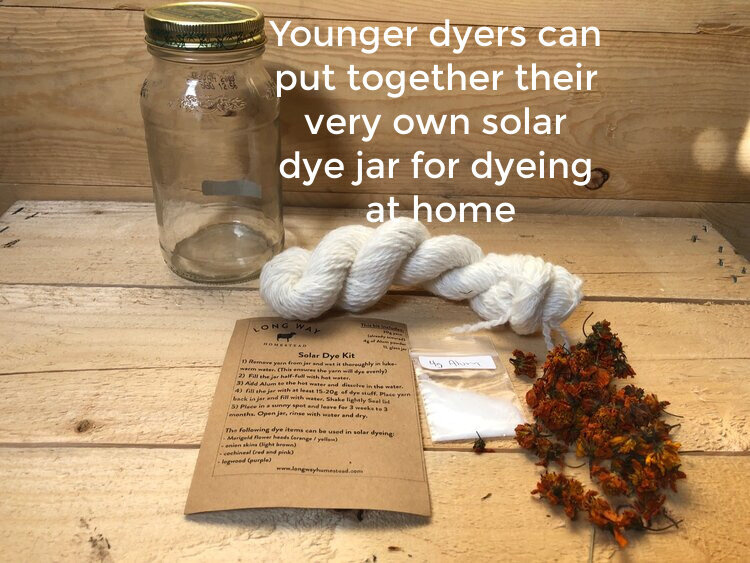
Flower & Fibre workshops include:
Natural Dye Day:
1 skein of 100g yarn (worsted or DK) pre mordanted (extra skeins for dyeing available for $20/skein)
Natural dye stuff (fresh or dried depending on chosen colors)
Instructional worksheet and hands on help with dye process
Tour of sheep farm, dye gardens and wool mill
Indigo Dye Day will be focused on dyeing with our own harvested japanese indigo.
Solar Dye Day: (recommended ages 3 - 13)
I skein of 50g yarn (worsted weight)
1 jar with mordant and dye stuff (fresh or dried depending on chosen colors)
Instructional worksheet and hands on help with assembling solar dye jars
Tour of sheep farm, dye gardens and wool mill

Flower & Fibre Dates:
Saturday, August 22 - Natural Dye Day 2-4pm
Saturday, August 29 - Solar Dye Day for kids 2-4pm
Wednesday, September 2 - Japanese Indigo Dye Day 6-8pm
Cost: $65
Cost: Solar Dye Day $30
Location: Long Way Homestead
To ensure the safety of all participants and the farm during the pandemic, the following measures will be followed:
Workshops held outside with plenty of space to social distance (maximum of 10 in each workshop)
Sanitizing of the washroom facilities
Hand washing station and hand sanitizer on site
Masks will be available
Please do not attend if you have been in contact with someone who has covid-19 or if you have any of the symptoms (no financial penalty for cancellations)

Farm Demonstration - Growing, Harvesting and Processing Japanese Indigo
Many of you have followed along on our journey of growing and dyeing with japanese indigo. Many of you even joined the Pembina Fibreshed’s community indigo project this year and you are growing your own indigo. How exciting and inspiring to have so many fibre artists, gardeners and natural dyers growing this plant here in our Province, even with our sometimes challenging growing season. The process of extracting indigo pigment is a little more complicated than other forms of natural dyeing, we would love to share our learnings and experiences with you!

We need to do our first indigo harvest on the farm and thought it would be a great opportunity to do a demonstrations on processing indigo. This is a hands on demonstration on doing fresh leaf indigo dyeing and also the cold water extraction method.

This will be a hands on demonstration, but not a natural dyeing class. You will learn how to dye with fresh indigo leaves and also how to extract pigment using the cold water method. This class does not include supplies, or yarn/fibre.
Saturday, July 18
2pm - 4pm
Long Way Homestead Fibre Farm and Wool Mill
Cost: $40
For those involved in the Pembina Fibreshed Community Indigo Project a similar demonstration and harvest will occur for free later in the summer (folks involved are welcome to attend both or just the PF event).

We will be working outside, in a shaded area, but it could be hot, so bring water. There is an onsite washroom (not wheelchair accessible) and we will limit numbers to 25 to comply with the Manitoba Covid-19 Health requirements and to ensure the safety of all those that attend.
We will also be doing dye garden tours (and of course the sheep/lambs will be around for snuggles too)!
To attend please register below:
SponsorSHEEP Lambs 2020
Lambs are available for SponsorSHEEP in the farm store HERE.
We will be launching this years round of SponsorSHEEP lambs on Friday, June 5th at 10am CST. We have 9 ewe lambs that we will be releasing for sponsorSHEEP. To sponsor any of them please visit the farm store here.
PLEASE NOTE: due to the limitation of our website, the only option available in the farm store is for $100 sponsorship. Please choose this option and if you want a higher level of sponsorSHEEP we will settle later.
Here is the description of this years new lambs available for sponsorSHEEP.
Maisie’s Girl
This is a pure shetland ewe, her fleece looks chocolate brown, we imagine it will remain this colour or get slightly lighter. She is so friendly and was the first lamb born this year!

Lottie’s Girl #1
This is a pure shetland ewe, her fleece looks exactly like her mothers fleece when she was born. It appears black, but is already lightening up underneath. Her facial markings are so beautiful and she has the highest pitched little noises. I am sure by shearing her fleece will be much lighter grey.

Lottie’s Girl #2
This is a pure shetland ewe, and she actually isn’t Lottie’s daughter. She was born to Emilie but rejected, we were able to graft her to lottie, so she believes it’s her ewe. She has lovely chocolate brown fibre with the light belly, neck and legs. she will probably stay a brown colour this first year. We are so happy that it ended well, with her and her adopted family!

Odie’s Girl #1
This is our shetland/Merino X ewe, she has a twin sister that looks exactly like her. Her fleece is snow white and will most likely be soft and fine like her merino dad Bjorn. she has the cutest little pink ears.

Odie’s Girl #2
This is our shetland/Merino X ewe, she has a twin sister that looks exactly like her. Her fleece is snow white and will most likely be soft and fine like her merino dad Bjorn. she has the cutest little pink ears.

Rosie’s Girl #1
This is a pure shetland ewe, her fleece is dark black and she has some white markings on her face/head. Her mother is a fierce protector and doesn’t let her out of her sight - her daughter then constantly hides from her, it’s quite fun to watch. I believe that her fleece will stay dark black, much like her father - our ram quip.

Sunna’s Girl #1
This is our Merino X ewe, she is one of a set of triplets, two black girls and one white boy! Her fleece will stay black, and I think she will probably look a lot like her mothers, brother - it seems as though Sunna’s babies that are black look like him!

Sunna’s Girl #2
This is our Merino X ewe, she is one of a set of triplets, two black girls and one white boy, she had a floppy ear when she was born, and she seems a little clumsy with her big hoofs! Her fleece will stay black, and I think she will probably look a lot like her mothers, brother - it seems as though Sunna’s babies that are black look like him.

Read more from our BLOG:
-
December 2025
- Dec 5, 2025 Staggering Statistics Dec 5, 2025
-
November 2025
- Nov 23, 2025 Annual Holiday Market Nov 23, 2025
-
August 2025
- Aug 6, 2025 Why is there vegetable matter in my yarn - Carbonization and your wool Aug 6, 2025
- Aug 6, 2025 Folk Fest 2025 Aug 6, 2025
-
July 2025
- Jul 22, 2025 We are Hiring - Wool Mill Operator Jul 22, 2025
- Jul 6, 2025 Fibre & Farm Market - Saturday, July 26 Jul 6, 2025
-
May 2025
- May 14, 2025 10 Year Anniversary - Long Way Homestead in Manitoba May 14, 2025
- May 13, 2025 Book Launch - True Cost of Wool May 13, 2025
- May 1, 2025 Celebrate our 10 year Anniversary May 1, 2025
-
April 2025
- Apr 13, 2025 Upcoming Teaching and Speaking Events - Find a date near you! Apr 13, 2025
-
February 2025
- Feb 3, 2025 A note about Canadian Wool and the new USA Tarrifs Feb 3, 2025
-
January 2025
- Jan 25, 2025 Traceability & Transparency Jan 25, 2025
-
December 2024
- Dec 2, 2024 Big Bluestem Yarn Dec 2, 2024
-
October 2024
- Oct 16, 2024 2025 Calendar is here! Oct 16, 2024
- Oct 1, 2024 NEW Book - True Cost of Wool Oct 1, 2024
-
September 2024
- Sep 25, 2024 Fibre & Farm Fall Market - Saturday, Oct 5, 2024 Sep 25, 2024
- Sep 22, 2024 Top 10 Take-Aways from Sheep & Wool Camp - by Jane Westheuser Sep 22, 2024
-
June 2024
- Jun 7, 2024 Why Natural Dye Jun 7, 2024
-
April 2024
- Apr 26, 2024 Shearing Day Lunch - Recipe Apr 26, 2024
- Apr 12, 2024 Wool Bedding and Sleep Science Apr 12, 2024
-
January 2024
- Jan 19, 2024 Lectures and Presentation on Canadian Sheep and Wool Jan 19, 2024
- Jan 10, 2024 New Sheep - Welcome to our Registered Flock Jan 10, 2024
-
November 2023
- Nov 11, 2023 Merry Maker Market Nov 11, 2023
- Nov 5, 2023 Fibre & Farm Holiday Market Nov 5, 2023
- Nov 1, 2023 Holiday Gift Guide 2023 Nov 1, 2023
-
October 2023
- Oct 19, 2023 Pasture Raised Lamb for Sale Oct 19, 2023
- Oct 15, 2023 Celebrating 5 Years - RECAP Oct 15, 2023
- Oct 9, 2023 Grassland Yarn Oct 9, 2023
-
September 2023
- Sep 19, 2023 Wool Mill Celebration & Reflections Sep 19, 2023
-
July 2023
- Jul 31, 2023 5-Year Mill-aversary - come celebrate with us Jul 31, 2023
-
June 2023
- Jun 4, 2023 Fibre & Farm - Sunday, July 16 2023 Jun 4, 2023
-
January 2023
- Jan 1, 2023 Join us for a Farm & Mill Apprenticeship - Summer 2023 Jan 1, 2023
-
December 2022
- Dec 27, 2022 Is the Breed Study Right For You? Dec 27, 2022
- Dec 15, 2022 NEW On-line Breed Study Dec 15, 2022
-
November 2022
- Nov 26, 2022 About Wool Dryer Balls Nov 26, 2022
-
August 2022
- Aug 13, 2022 A Letter to the Federal Ag Minister Aug 13, 2022
-
June 2022
- Jun 10, 2022 Fibre & Farm Market Jun 10, 2022
-
May 2022
- May 15, 2022 Hiring a Fibre Mill Apprentice May 15, 2022
-
April 2022
- Apr 10, 2022 Shearing Festival 2022 Apr 10, 2022
-
February 2022
- Feb 24, 2022 A Little Too Little.... Feb 24, 2022
- Feb 5, 2022 Canadian National Mill Inventory Survey Feb 5, 2022
-
December 2021
- Dec 10, 2021 Canadian Wool Research & Data 2021 Dec 10, 2021
-
August 2021
- Aug 1, 2021 The Effect of Drought on Wool Production Aug 1, 2021
-
July 2021
- Jul 5, 2021 Fibre & Farm Market Jul 5, 2021
-
May 2021
- May 28, 2021 SponsorSHEEP Lambs 2021 May 28, 2021
-
December 2020
- Dec 16, 2020 Canadian Wool/Sheep Producers Survey Dec 16, 2020
-
November 2020
- Nov 10, 2020 Holiday Gift Guide 2020 Nov 10, 2020
- Nov 1, 2020 Traceability in the Canadian Wool Supply Chain Nov 1, 2020
-
August 2020
- Aug 27, 2020 Manitoba Fibre Trail Aug 27, 2020
-
July 2020
- Jul 22, 2020 Flower & Fibre Natural Dye Workshops Jul 22, 2020
- Jul 8, 2020 Farm Demonstration - Growing, Harvesting and Processing Japanese Indigo Jul 8, 2020
-
May 2020
- May 29, 2020 SponsorSHEEP Lambs 2020 May 29, 2020
- May 19, 2020 Building Resilient Fibre Systems in Canada - by Anna Hunter May 19, 2020
-
April 2020
- Apr 14, 2020 Why Breed Specific? Apr 14, 2020
-
February 2020
- Feb 18, 2020 New House Yarn - Polypay Chunky Feb 18, 2020
-
November 2019
- Nov 12, 2019 Gift Guide 2019 Nov 12, 2019
-
June 2019
- Jun 5, 2019 SponsorSHEEP lambs 2019 Jun 5, 2019
-
May 2019
- May 19, 2019 Shearing Festival April 2019 May 19, 2019
-
August 2018
- Aug 5, 2018 Lamb Day 2018 Aug 5, 2018
-
June 2018
- Jun 1, 2018 SponsorSHEEP 2018 - Jun 1, 2018
-
May 2018
- May 27, 2018 Shearing Day 2018 May 27, 2018
-
April 2018
- Apr 6, 2018 Surprise Lambs Apr 6, 2018
-
January 2018
- Jan 30, 2018 Breeding Season Part III: Chickens. (A post by Luke) Jan 30, 2018
-
December 2017
- Dec 24, 2017 Breeding Season Part II: SHEEP - A Post by Luke Dec 24, 2017
- Dec 3, 2017 Breeding Season Part 1: LLAMAS - A Post by Luke Dec 3, 2017
-
September 2017
- Sep 4, 2017 Our Year of Living Shepardly - A Post by Luke Sep 4, 2017
-
June 2017
- Jun 18, 2017 Lamb Day - June 25th Jun 18, 2017
- Jun 11, 2017 Sponsorsheep June 2017 Jun 11, 2017
-
May 2017
- May 30, 2017 REVIEW - SLOW TV: NATIONAL KNITTING NIGHT - a post by Luke May 30, 2017
- May 6, 2017 First Sponsorsheep Drop - May 7 May 6, 2017
-
April 2017
- Apr 2, 2017 Naturally Dyed Eggs Apr 2, 2017
-
February 2017
- Feb 5, 2017 Dakota Spinning Mill - A post by Anna Feb 5, 2017
-
January 2017
- Jan 25, 2017 Training Day Jan 25, 2017
-
December 2016
- Dec 12, 2016 Book Review: Haynes Sheep Manual - A post by Luke Dec 12, 2016
- Dec 4, 2016 Llama Trauma - a post by Luke Dec 4, 2016
-
October 2016
- Oct 30, 2016 Chickens of Destiny - a Post by Luke Oct 30, 2016
- Oct 24, 2016 Pattern Book Review - Flotsam & Jetsam by Ash Alberg Oct 24, 2016
- Oct 17, 2016 Sheep! Oct 17, 2016
- Oct 9, 2016 THE BALLAD OF WHEEZY MCSICKY PANTS - A Post by Luke Oct 9, 2016
-
September 2016
- Sep 26, 2016 Plants vs. Chickens Sep 26, 2016
-
August 2016
- Aug 30, 2016 Mama Llama Drama - a post by Luke Aug 30, 2016
-
July 2016
- Jul 27, 2016 Rooster Soup - Post by Luke Jul 27, 2016
- Jul 23, 2016 A Fence Post Jul 23, 2016
-
June 2016
- Jun 29, 2016 Arrivederci Figaro - A post by Luke Jun 29, 2016
- Jun 11, 2016 Jurassic Marsh - A post by Luke Jun 11, 2016
- Jun 5, 2016 Drive or be Driven Jun 5, 2016
-
May 2016
- May 20, 2016 Picking up Chicks May 20, 2016
- May 13, 2016 I might be crazy May 13, 2016
Building Resilient Fibre Systems in Canada - by Anna Hunter
During this time of economic and social upheaval, every industry across Canada has been adversely affected. The wool and textile industry is no exception. The highly centralized wool supply chain systems is exposed as fragile and lacking resiliency in the face of disaster. The global wool market has seen a total shutdown as markets for wool have halted due to the pandemic and mills have closed. The long-term effects this will have on all players in the wool supply chain, including farmers, textile manufacturers, and the yarn industry as a whole, is devastating.

Photo by Lisa Mckinley Surber
“Global demand for raw wool was weak before Covid-19 restrictions were imposed for travel, social, and commerce. As a result wool trading conditions have continued to deteriorate or are non existent at the present time due to the high level of uncertainty that exists in the marketplace.” states Eric Bjergso, General Manager for the Canadian Cooperative Wool Growers, in a statement on April 27, 2020. The majority of sheep farmers in Canada sell their wool to Wool Growers every year and more than 90% of this wool is exported and manufactured in China, Egypt, Czech Republic and the USA. The statement also warns that wool payments will not be available until stability returns to the global marketplace and Canadian wool is once again being purchased. This is devastating news for sheep farmers who are already in precarious financial situations as meat markets crash due to the pandemic.
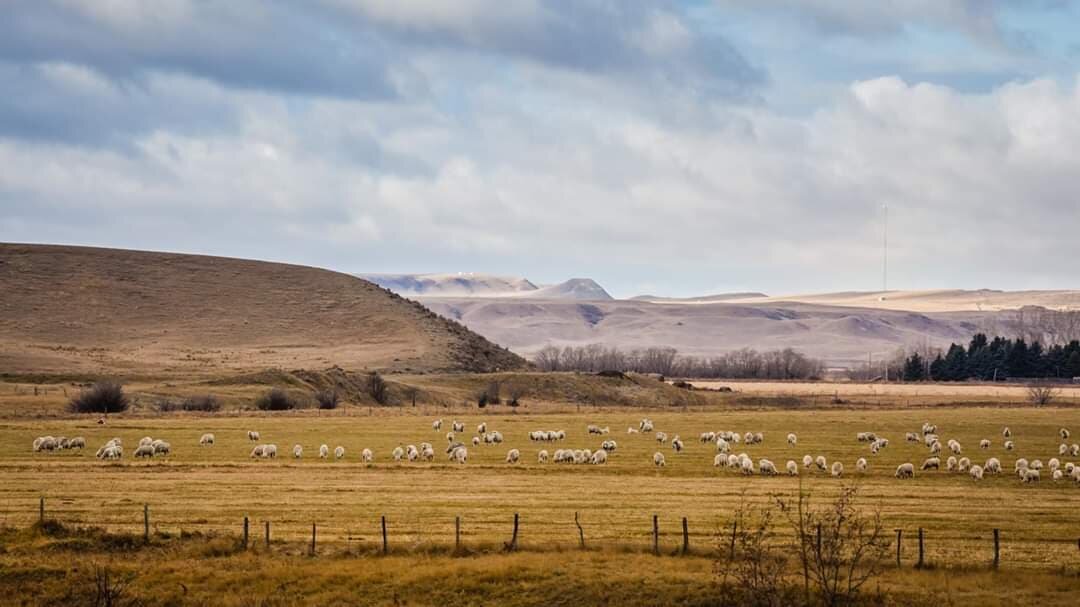
Targhee Sheep Flock in Southeastern Saskatchewan. (photo and flock by Dwane Morvik)
Many of us have turned to our needles, hooks and spinning wheels during this time as a source of comfort, distraction and peace. But have we paused to think about where our wool comes from and who is involved in getting it from sheep to skein? How are the farmers going to continue growing good wool if they aren't being paid for it? How will wool brokers purchase and sell wool if the markets are closed? And what will it look like if wool is sitting in warehouses around the globe rather than being processed and shipped to our favourite indie-dyers?
Perhaps the more pressing questions are: why have we left the production of this incredible resource to such a broken, fragile system? Why have we allowed the growing and processing of our food and clothing to be so far removed from our communities? Is there a path to shrinking the supply chain? Or better yet, adding value to our wool and textile systems?
There is a global movement called Fibershed that works to build resilience into our textile and wool systems. “In describing a fibreshed, we focus on elements in our region that contribute to the ways we create fabric for clothing and other household uses. We connect producers, processors, artisans, and consumers in a dynamic system that sustainably manages resources and strengthens our ties to the land.” (From the Pembina Fibreshed)
Much of our days are filled with concern and insecurity about what the future may bring for us individually or as a country. Now is the time for constructive conversations about how to build different systems that will sustain us and our landbase now and in the future.
4 ways to build resilience in our Canadian Fibreshed:
1) Connect with and support the producers, farmers, designers and dyers, using local plant material, in your area.
Imagine the power and resiliency we would see if our geographical areas had the capacity and support to grow, manufacture and distribute our textiles! Communities like this could continue to function despite global disturbances. This would support farmers, mills, dyers, designers, local yarn shops and build stronger communities.
This is a great time to purchase wool or roving from a local farmer or mill. Take an online class that teaches you how to use the natural dye material from your area to dye wool. Reach out to a farmer and buy a full fleece and learn to wash it in your backyard!
Find out if there are farmers in your are utilizing carbon farming practices and support them. Purchasing food and fibre from farmers that prioritize climate beneficial products will have a longer-term effect on building resilience in both our textile systems, but also in our ecological systems.

2) Join your local fibreshed, or initiate one in your community.
Many communities already have fibresheds that support local producers and organize events and workshops that focus on the issues facing specific regions across Canada. Join these organizations, attend their events or start your own. Fibershed California has all the resources necessary to start your own fibershed and make connections with local farmers and producers. (See below a list of Canadian Fibreshed organizations)

Photo by Christel Lanthier
3) Demand justice and equity in our global and domestic textile/wool industry.
Due to the shutdown of our textile supply chain many factories and workers have not been compensated for work that has already been completed. We need to push corporations and governments to compensate workers appropriately and we need to advocate for a reorganization of our supply chains to promote equity for all.
We need to push for a a national conversation about Canadian wool manufacturing and how to localize the production and distribution without relying on unstable global markets. This will not only build resilience for Canadian farmers and manufacturers, it will also help reduce our carbon emissions. By prioritizing localized production in facilities with more stringent environmental policies, we can shrink the supply chain and reduce the transport and resource consumption involved in manufacturing Canadian wool elsewhere.

4) Make, Do, Mend
This time has reminded us that we do not need as much as we consume. Many have dusted off sewing machines to make masks, or to help our kids learn different skills. By making do with what we have, mending what can be repaired and making our own clothing we are building resiliency in our homes, our lives and our communities.
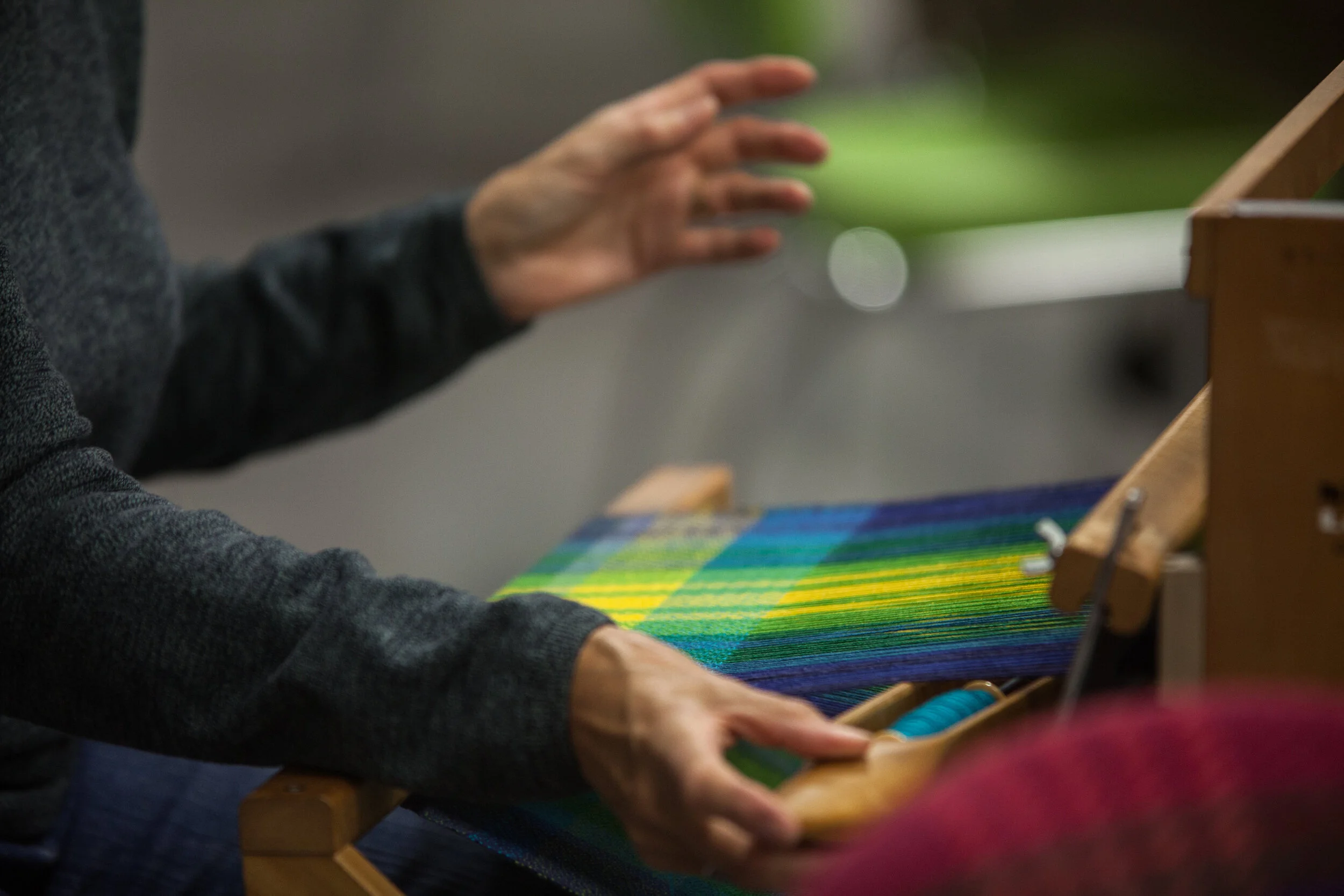
Photo by Christel Lanthier
Canadian Fibreshed Organizations
Other Fibreshed Organizations
From Field to Skin (an excellent resource of Canadian Farmers and Mills)
Why Breed Specific?

We focus on processing breed specific wool at Long Way Homestead. Most folks aren’t aware that there is more than 1 breed (merino) out there, so here is a short primer on why we think focusing on breeds is so important.
1) If we learn about the different breeds, we are more likely to seek out their wool - this actually protects sheep diversity and prevents the loss of heritage sheep breeds. Shetland sheep (pictured) was considered endangered in the 1970's but has made a strong comeback thanks to small farms.
2) Not all wool is the same, this photo represents 5 different breeds of white wool. Each has different characteristics that make it better suited for different projects. Did you know that crimp is directly related to how insulating that particular wool is? Which one of these breeds will work best for your cozy sweater?

3) All wool fibre is covered in thousands of microscopic scales. These scales affect how they look and how they feel and how much insulation it provides. The more you learn about breed specific yarn, the better informed your choices are for each individual project.

4) When you seek out and purchase breed specific yarn, you support small farms and small mills. Having a deeper connection with the source of your fibre helps build a flourishing fibreshed. The need for resilient local supply chains become more obvious as the global wool industry has been halted by recent events.
How you can learn more about breed specific fibre arts:
Check out our breed specific knitting workshops (we will be making this available online soon)
Explore “breed specific yarn for a year” Each month you will receive 100g of yarn from a specific sheep breed and a small card with information about that sheep breed and some suggestions for the best use of that yarn based on the characteristics of the wool.
Find out what sheep breeds the farms and mills in your area are raising and purchase some of their fibre (check out the fibresheds in your are or from field to skin for a Canadian listing)
There are excellent books written about Breed Specific Wool, some of my favourites are: Fleece & Fiber Sourcebook, Knitters Book of Wool, The Spinners Book of Fleece.

-
December 2025
- Dec 5, 2025 Staggering Statistics Dec 5, 2025
-
November 2025
- Nov 23, 2025 Annual Holiday Market Nov 23, 2025
-
August 2025
- Aug 6, 2025 Why is there vegetable matter in my yarn - Carbonization and your wool Aug 6, 2025
- Aug 6, 2025 Folk Fest 2025 Aug 6, 2025
-
July 2025
- Jul 22, 2025 We are Hiring - Wool Mill Operator Jul 22, 2025
- Jul 6, 2025 Fibre & Farm Market - Saturday, July 26 Jul 6, 2025
-
May 2025
- May 14, 2025 10 Year Anniversary - Long Way Homestead in Manitoba May 14, 2025
- May 13, 2025 Book Launch - True Cost of Wool May 13, 2025
- May 1, 2025 Celebrate our 10 year Anniversary May 1, 2025
-
April 2025
- Apr 13, 2025 Upcoming Teaching and Speaking Events - Find a date near you! Apr 13, 2025
-
February 2025
- Feb 3, 2025 A note about Canadian Wool and the new USA Tarrifs Feb 3, 2025
-
January 2025
- Jan 25, 2025 Traceability & Transparency Jan 25, 2025
-
December 2024
- Dec 2, 2024 Big Bluestem Yarn Dec 2, 2024
-
October 2024
- Oct 16, 2024 2025 Calendar is here! Oct 16, 2024
- Oct 1, 2024 NEW Book - True Cost of Wool Oct 1, 2024
-
September 2024
- Sep 25, 2024 Fibre & Farm Fall Market - Saturday, Oct 5, 2024 Sep 25, 2024
- Sep 22, 2024 Top 10 Take-Aways from Sheep & Wool Camp - by Jane Westheuser Sep 22, 2024
-
June 2024
- Jun 7, 2024 Why Natural Dye Jun 7, 2024
-
April 2024
- Apr 26, 2024 Shearing Day Lunch - Recipe Apr 26, 2024
- Apr 12, 2024 Wool Bedding and Sleep Science Apr 12, 2024
-
January 2024
- Jan 19, 2024 Lectures and Presentation on Canadian Sheep and Wool Jan 19, 2024
- Jan 10, 2024 New Sheep - Welcome to our Registered Flock Jan 10, 2024
-
November 2023
- Nov 11, 2023 Merry Maker Market Nov 11, 2023
- Nov 5, 2023 Fibre & Farm Holiday Market Nov 5, 2023
- Nov 1, 2023 Holiday Gift Guide 2023 Nov 1, 2023
-
October 2023
- Oct 19, 2023 Pasture Raised Lamb for Sale Oct 19, 2023
- Oct 15, 2023 Celebrating 5 Years - RECAP Oct 15, 2023
- Oct 9, 2023 Grassland Yarn Oct 9, 2023
-
September 2023
- Sep 19, 2023 Wool Mill Celebration & Reflections Sep 19, 2023
-
July 2023
- Jul 31, 2023 5-Year Mill-aversary - come celebrate with us Jul 31, 2023
-
June 2023
- Jun 4, 2023 Fibre & Farm - Sunday, July 16 2023 Jun 4, 2023
-
January 2023
- Jan 1, 2023 Join us for a Farm & Mill Apprenticeship - Summer 2023 Jan 1, 2023
-
December 2022
- Dec 27, 2022 Is the Breed Study Right For You? Dec 27, 2022
- Dec 15, 2022 NEW On-line Breed Study Dec 15, 2022
-
November 2022
- Nov 26, 2022 About Wool Dryer Balls Nov 26, 2022
-
August 2022
- Aug 13, 2022 A Letter to the Federal Ag Minister Aug 13, 2022
-
June 2022
- Jun 10, 2022 Fibre & Farm Market Jun 10, 2022
-
May 2022
- May 15, 2022 Hiring a Fibre Mill Apprentice May 15, 2022
-
April 2022
- Apr 10, 2022 Shearing Festival 2022 Apr 10, 2022
-
February 2022
- Feb 24, 2022 A Little Too Little.... Feb 24, 2022
- Feb 5, 2022 Canadian National Mill Inventory Survey Feb 5, 2022
-
December 2021
- Dec 10, 2021 Canadian Wool Research & Data 2021 Dec 10, 2021
-
August 2021
- Aug 1, 2021 The Effect of Drought on Wool Production Aug 1, 2021
-
July 2021
- Jul 5, 2021 Fibre & Farm Market Jul 5, 2021
-
May 2021
- May 28, 2021 SponsorSHEEP Lambs 2021 May 28, 2021
-
December 2020
- Dec 16, 2020 Canadian Wool/Sheep Producers Survey Dec 16, 2020
-
November 2020
- Nov 10, 2020 Holiday Gift Guide 2020 Nov 10, 2020
- Nov 1, 2020 Traceability in the Canadian Wool Supply Chain Nov 1, 2020
-
August 2020
- Aug 27, 2020 Manitoba Fibre Trail Aug 27, 2020
-
July 2020
- Jul 22, 2020 Flower & Fibre Natural Dye Workshops Jul 22, 2020
- Jul 8, 2020 Farm Demonstration - Growing, Harvesting and Processing Japanese Indigo Jul 8, 2020
-
May 2020
- May 29, 2020 SponsorSHEEP Lambs 2020 May 29, 2020
- May 19, 2020 Building Resilient Fibre Systems in Canada - by Anna Hunter May 19, 2020
-
April 2020
- Apr 14, 2020 Why Breed Specific? Apr 14, 2020
-
February 2020
- Feb 18, 2020 New House Yarn - Polypay Chunky Feb 18, 2020
-
November 2019
- Nov 12, 2019 Gift Guide 2019 Nov 12, 2019
-
June 2019
- Jun 5, 2019 SponsorSHEEP lambs 2019 Jun 5, 2019
-
May 2019
- May 19, 2019 Shearing Festival April 2019 May 19, 2019
-
August 2018
- Aug 5, 2018 Lamb Day 2018 Aug 5, 2018
-
June 2018
- Jun 1, 2018 SponsorSHEEP 2018 - Jun 1, 2018
-
May 2018
- May 27, 2018 Shearing Day 2018 May 27, 2018
-
April 2018
- Apr 6, 2018 Surprise Lambs Apr 6, 2018
-
January 2018
- Jan 30, 2018 Breeding Season Part III: Chickens. (A post by Luke) Jan 30, 2018
-
December 2017
- Dec 24, 2017 Breeding Season Part II: SHEEP - A Post by Luke Dec 24, 2017
- Dec 3, 2017 Breeding Season Part 1: LLAMAS - A Post by Luke Dec 3, 2017
-
September 2017
- Sep 4, 2017 Our Year of Living Shepardly - A Post by Luke Sep 4, 2017
-
June 2017
- Jun 18, 2017 Lamb Day - June 25th Jun 18, 2017
- Jun 11, 2017 Sponsorsheep June 2017 Jun 11, 2017
-
May 2017
- May 30, 2017 REVIEW - SLOW TV: NATIONAL KNITTING NIGHT - a post by Luke May 30, 2017
- May 6, 2017 First Sponsorsheep Drop - May 7 May 6, 2017
-
April 2017
- Apr 2, 2017 Naturally Dyed Eggs Apr 2, 2017
-
February 2017
- Feb 5, 2017 Dakota Spinning Mill - A post by Anna Feb 5, 2017
-
January 2017
- Jan 25, 2017 Training Day Jan 25, 2017
-
December 2016
- Dec 12, 2016 Book Review: Haynes Sheep Manual - A post by Luke Dec 12, 2016
- Dec 4, 2016 Llama Trauma - a post by Luke Dec 4, 2016
-
October 2016
- Oct 30, 2016 Chickens of Destiny - a Post by Luke Oct 30, 2016
- Oct 24, 2016 Pattern Book Review - Flotsam & Jetsam by Ash Alberg Oct 24, 2016
- Oct 17, 2016 Sheep! Oct 17, 2016
- Oct 9, 2016 THE BALLAD OF WHEEZY MCSICKY PANTS - A Post by Luke Oct 9, 2016
-
September 2016
- Sep 26, 2016 Plants vs. Chickens Sep 26, 2016
-
August 2016
- Aug 30, 2016 Mama Llama Drama - a post by Luke Aug 30, 2016
-
July 2016
- Jul 27, 2016 Rooster Soup - Post by Luke Jul 27, 2016
- Jul 23, 2016 A Fence Post Jul 23, 2016
-
June 2016
- Jun 29, 2016 Arrivederci Figaro - A post by Luke Jun 29, 2016
- Jun 11, 2016 Jurassic Marsh - A post by Luke Jun 11, 2016
- Jun 5, 2016 Drive or be Driven Jun 5, 2016
-
May 2016
- May 20, 2016 Picking up Chicks May 20, 2016
- May 13, 2016 I might be crazy May 13, 2016
New House Yarn - Polypay Chunky
I’m very excited to release our newest breed specific yarn. Polypay Chunky - a beautiful full bodied yarn that is both fine and durable made from Polypay wool. Polypay was created by cross breeding targhee, Dorset, Rambouillet and Finn sheep. It is a perfect dual purpose sheep. The wool is soft and insulating, but also durable. We have spun it as a 3-ply chunky weight yarn 115m/100g.

The talented Rebecca Gunderson knit up this dreamy sweater in our Polypay Chunky. The pattern by Canadian designer Standard knits is called the Pender Cardigan.

Our Polypay wool is purchased from Silverbend Ranch in Western Manitoba, Brian Greaves and Karen Hill are the stewards of 1600 acres of farm land and have made massive strides in sustainable and regenerative livestock farming in Manitoba. They utilize farming practices such as no-till seeding, polycropping and winter bale grazing. They re-established hay land from severely nutrient deficient crop land by adding shelter belts and adding piped water to allow for rotational grazing, they restored the wetland with fencing to keep out livestock and utilized solar water pumps. In 2018 they were recognized as Farm Family of the Year in Manitoba.

Picture from Pembina Valley Online
They are also committed to producing a healthy dual purpose flock, focusing on a top-quality wool and improved fertility in their sheep. Brian has also been a strong advocate for the Canadian sheep and wool industry.
When you use this wool you are contributing to the livelihood of a farm that is actively working to sequester more carbon from the atmosphere into the soil. A truly climate beneficial wool.

We will be releasing a small amount of it during our pop-up shops in February in Edmonton and Calgary, and then we will have a whole bunch during Knit City in Montreal.
Gift Guide 2019

Here are our top picks for your holiday shopping.
Thanks for supporting our mill and small farm!
If you don't live in Manitoba, we encourage you to find out who your local farmers are.
Purchasing directly from small farms makes a huge impact on our ability to do the kind of work we do!

click here to purchase the choose wool tote bag

click here to purchase the greeting cards

click here to purchase the climate positive toque

click here to purchase the wool pillows
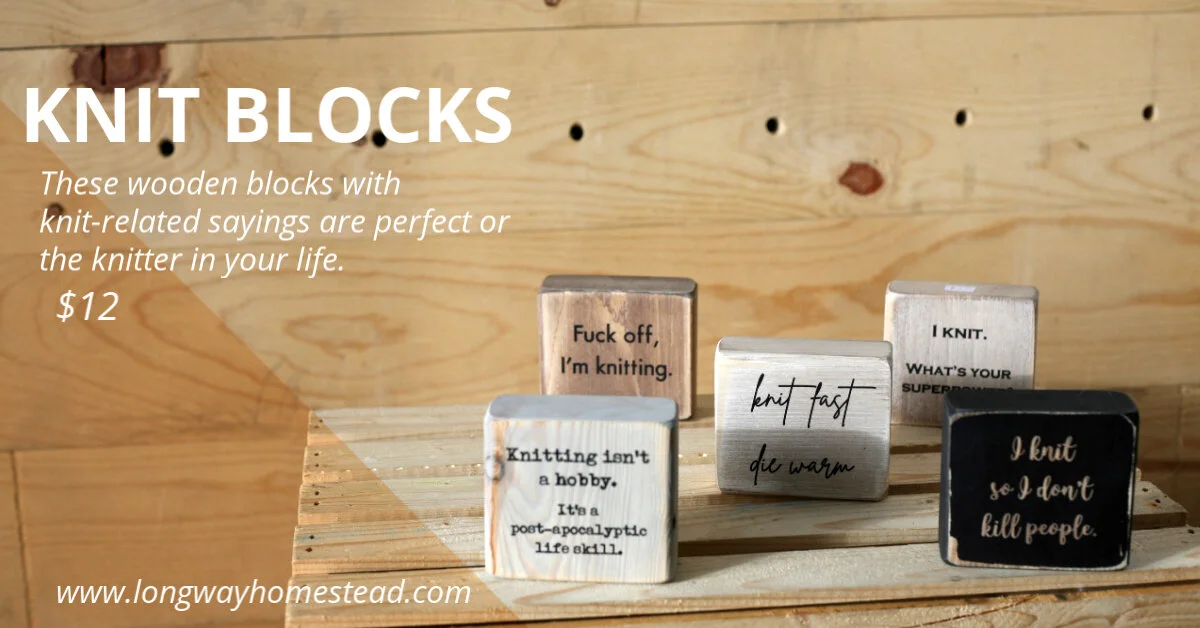
click here to purchase the knit blocks

click here to purchase the wool cat beds

click here to purchase the wool dryer balls

click here to purchase yarn - updated weekly until December 1st
SponsorSHEEP lambs 2019
On Friday, June 7th at 9am (central standard time) we will be releasing our 2019 round of sponsorSHEEP lambs! We have 9 girls that we will be releasing for sponsorSHEEP. To sponsor any of them please visit the farm store here.
PLEASE NOTE: due to the limitation of our website, the only option available in the farm store is for $100 sponsorship. Please choose this option and if you want a higher level of sponsorSHEEP we will settle later.
Here is the description of this years new lambs available for sponsorSHEEP.
Betty’s Girl #1
This is a pure shetland ewe, her fleece looks very dark black, but we imagine it will lighten to a dark brown by the years end. She is fast and speedy, she worked hard to avoid these pictures!

Betty’s Girl #2
This is a pure shetland ewe, her fleece reminds me of her mama’s and will most likely be a medium brown (Moorit). She loves being with her sister and has a strong voice to call for her mama.

Lottie’s Girl
Lotti’s girl is a pure shetland ewe lamb. She reminds me a lot of her mama when she was born. Her fleece is very dark now, but if like her mama’s colouring will lighten into a light grey by years end, and we love her light little ear tips. She loves playing with her brother and is very loud with her calls!

Pearl’s Girl
This is a pure shetland ewe lamb. She is a very dark brown, but I wonder if she will lighten up to her mother’s colour which is more of a medium brown (moorit). She has a cute little patch of white on top of her head and she loves playing with her brother and often panics when she gets too far away from her mama.

Claire’s Girl
The last born this year, and kind of a surprise (we didn’t think Claire had gotten pregnant) A beautiful pure shetland ewe that looks exactly like her mama when she was born. We wonder if her fleece will fade to a lovely medium gray by the end of the year. Even though she is only one day old, she is already full of life and bounces! She has a curious spirit much to her dotting mother’s chagrin.

Tansy’s Girl
This beauty is a mix of merino/tunis/rambouillet. She has big floppy ears and a beautiful patch of white on her head. I imagine her colour will fade to a light brown/beige by the end of the year. She is long and leggy and loves to flop in a pile with her twin brother for a nap.

Sunna’s Girl (dark)
Sunna had triplet girls this year, but only accepted this one, she is a mix of merino/tunis/rambouillet She is already so much bigger than all the other lambs because her mama was so much milk I’m sure. She has dark fibre that will probably change to a dark brown.

Sunna’s Girl (light 1)
This little girl was rejected by Sunna at birth (we have no idea why), but we kept her in the house and bottle fed her and she is thriving. She is a mix of merino/tunis/rambouillet and her fleece will stay a bright white colour (just like her dad). She is the smallest of the triplets, but full of life and energy.

Sunna’s Girl (light 2)
This little one was also rejected by Sunna, but is doing great now after two weeks in the house. We still feed her and her sister with a bottle three times a day. She is a mix of merino/tunis/rambouillet and her fleece is a bright white colour. She loves to chase all the other lambs.

Shearing Festival April 2019
What an amazing celebration of wool and fibre. Thank you so much to everyone that came out to support the farm and watch the harvest of our wool! Thanks to the amazing vendors who came and set up and provided free demonstrations on dyeing, spinning, weaving and more.
Knowing that this community is interested in sustainable, textile production is so encouraging and we areso encouraged by all those that chose to spend their Saturday at our farm. A huge thanks to Christel Lanthier from Ferme Fiola Farm for all the photos of the day.


We had over 200 people attend Shearing Festival. Many had never seen a sheep be shorn before!

Our fantastic shearer Stacey!

The incredible fleece skirting team did a fantastic job of cleaning up the fleeces!

Our amazing vendors did natural dye demos, sock machines, indigo dip, weaving and more!

Fresh eggs, fresh alpaca yarn and other great goodies!

Thank you to everyone who helped make this an amazing day!

Spinning demo!

Long Way Homestead naturally dyed yarn

First time shearing for little Rosie.

Bjorn and his beautiful fleece!

Post shearing chin scratches, must feel so good to have such a close shave!

Post Shearing - hardly recognize these girls!
Lamb Day 2018
Thanks to everyone who came out to our lamb day. It was such a fantastic day of food, friends, and lots of lamb snuggles.

We had about 80 people come and meet our new lambs and chicks and enjoy some family farm fun!
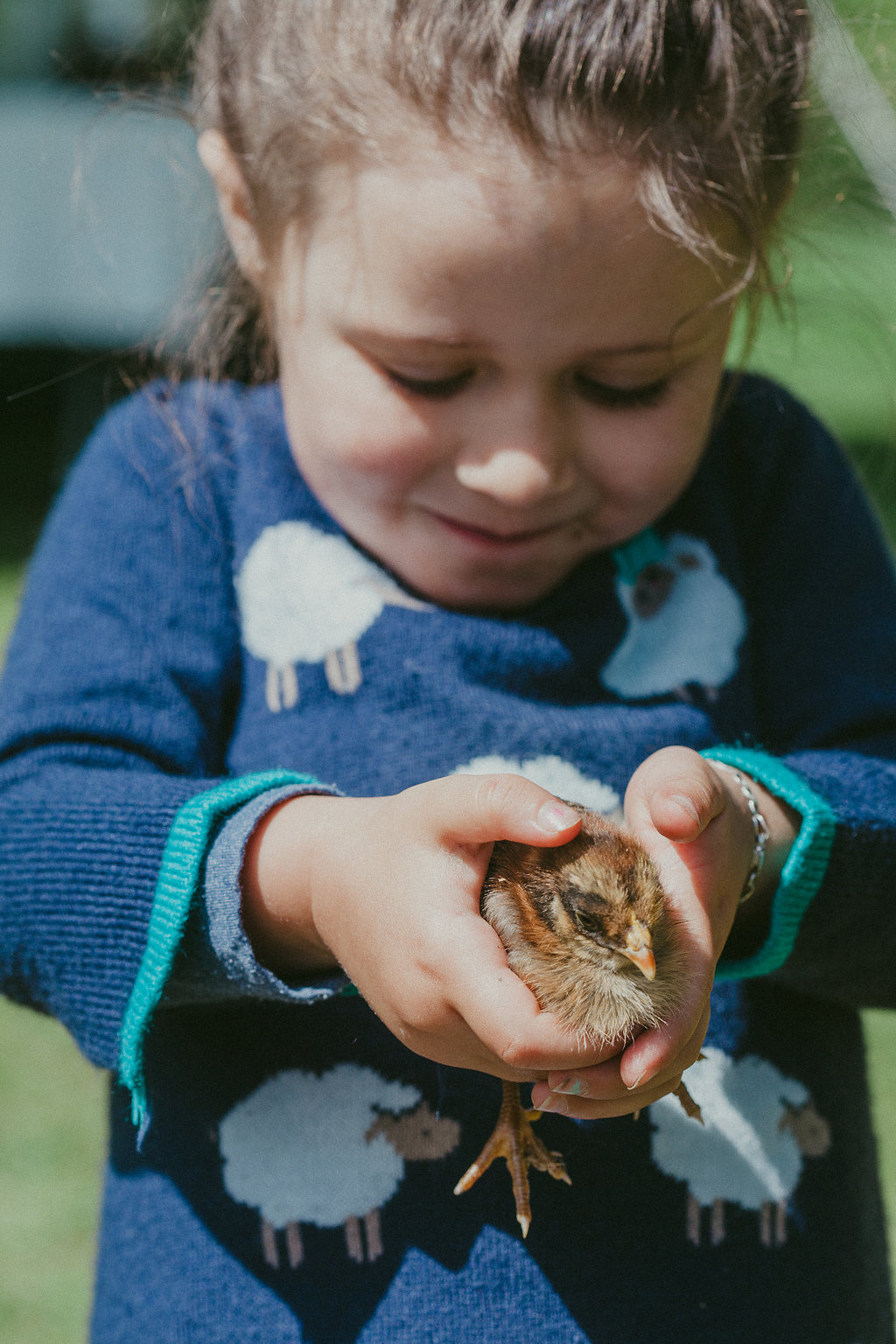
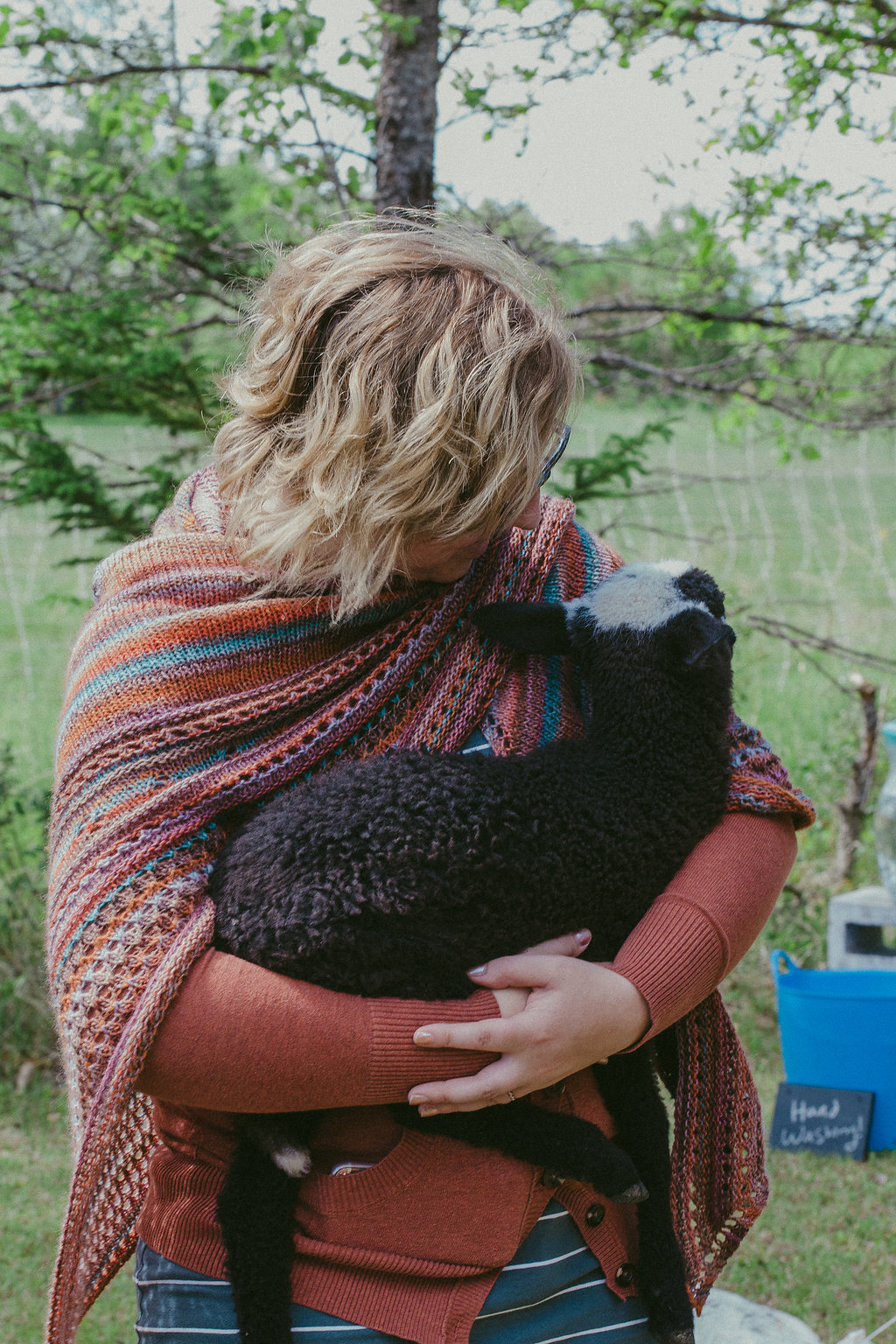
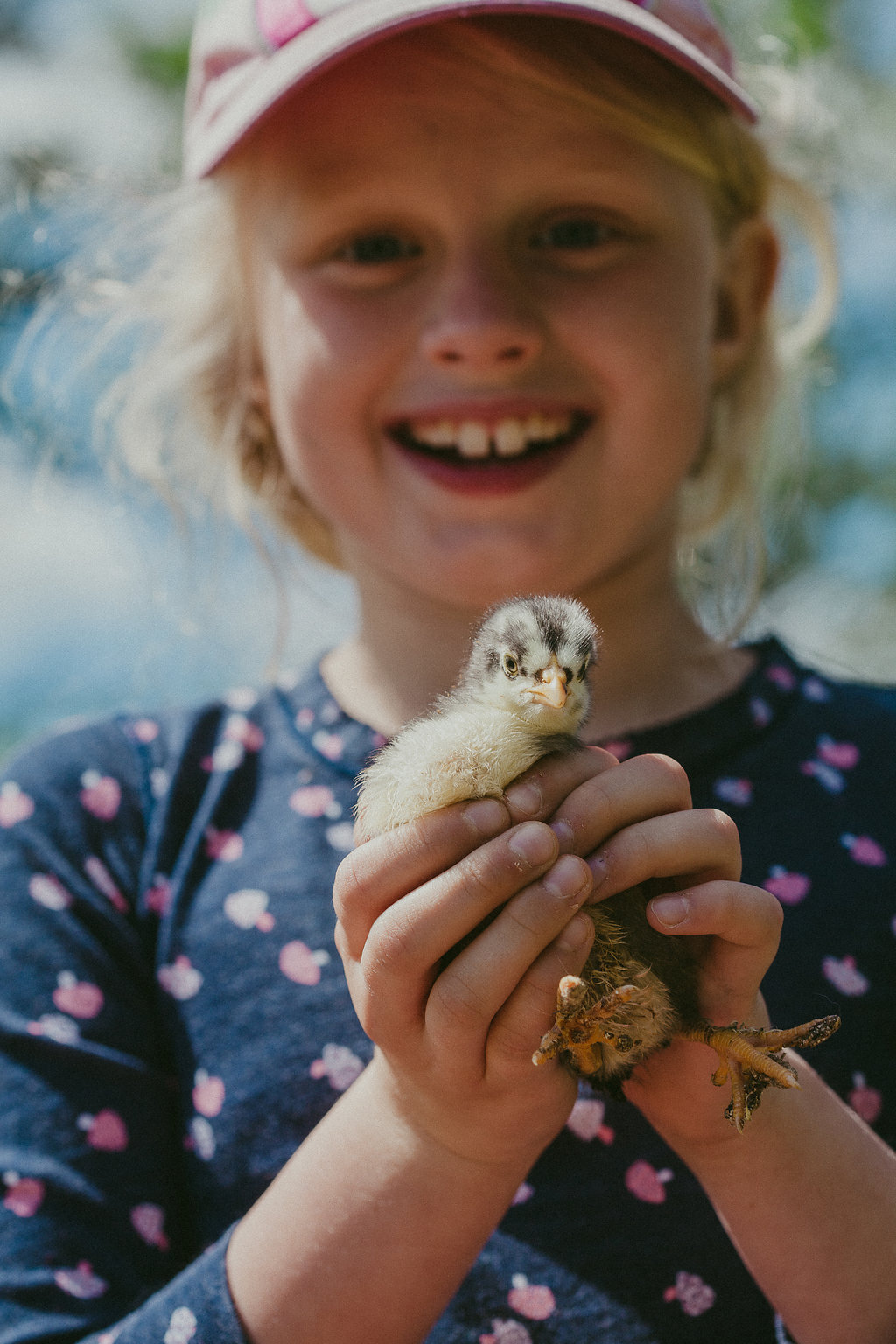
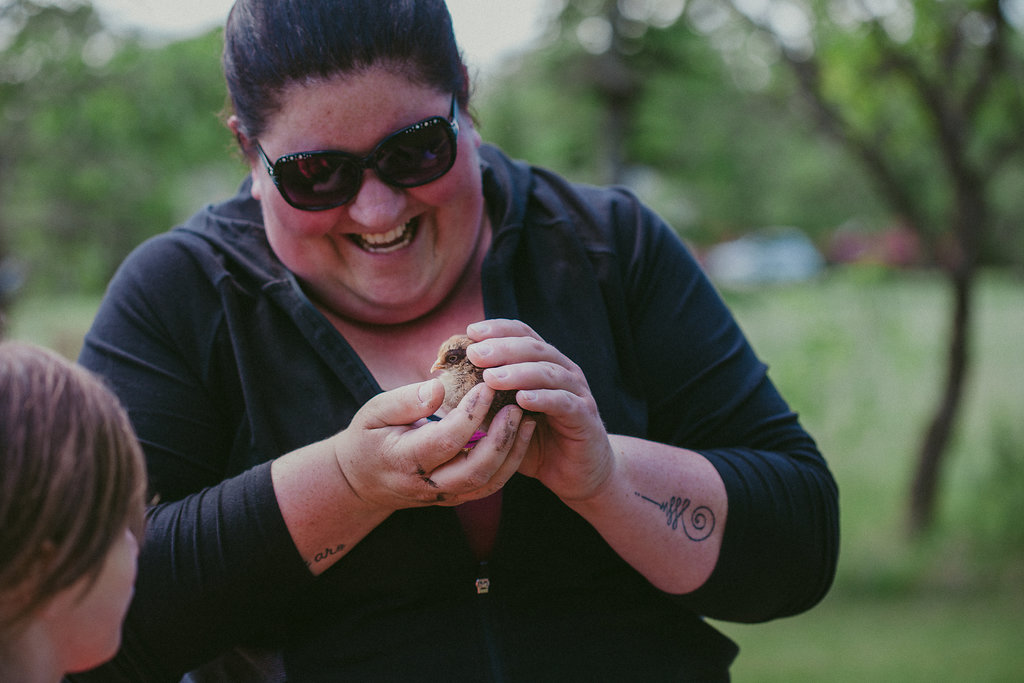
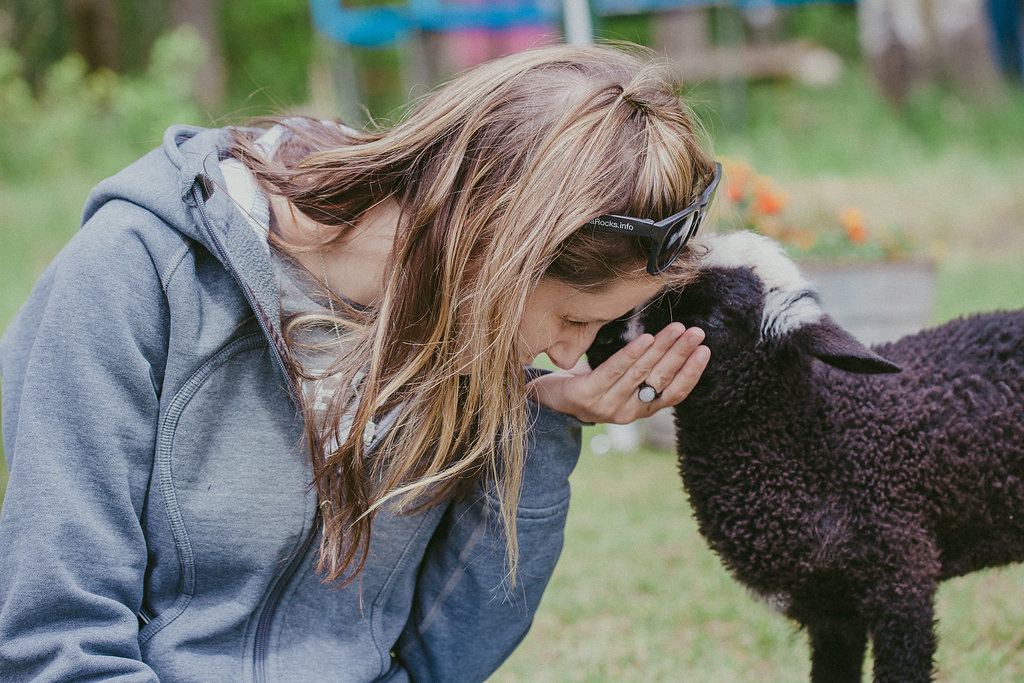
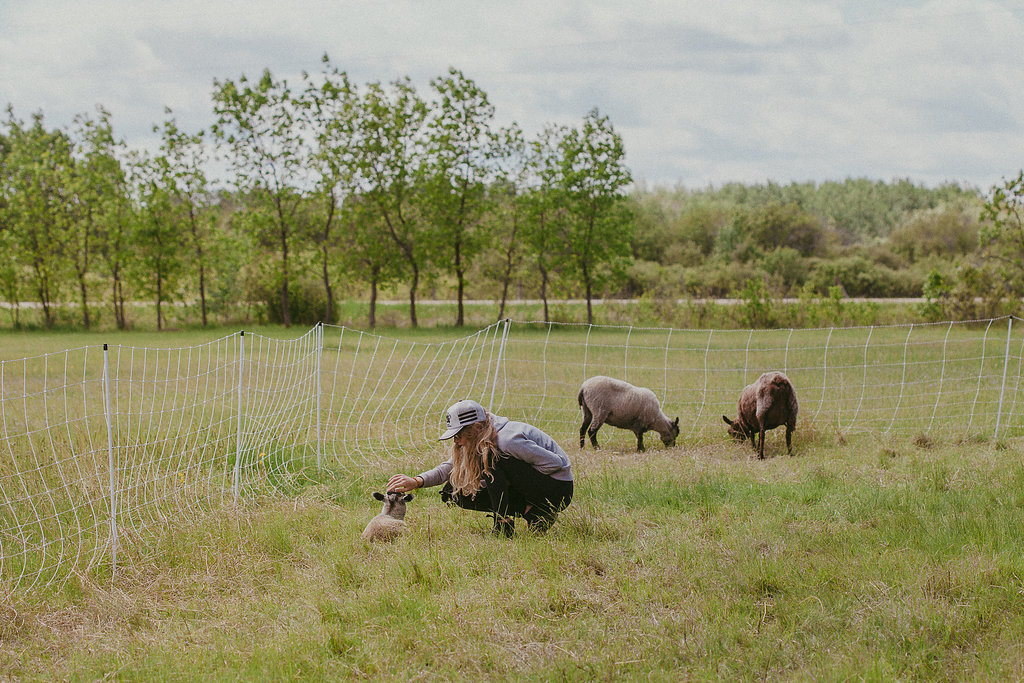
A huge thanks to Christel Lanthier for taking great photos of the day - I was so distracted I don't think I took a single photo!


We served pulled pork on a bun (made with our own pastured pork) and homemade strawberry rhubarb pie (with fruit we picked), and most of you got talked into trying the crazy lemonade from the lemonade stand the kids made!
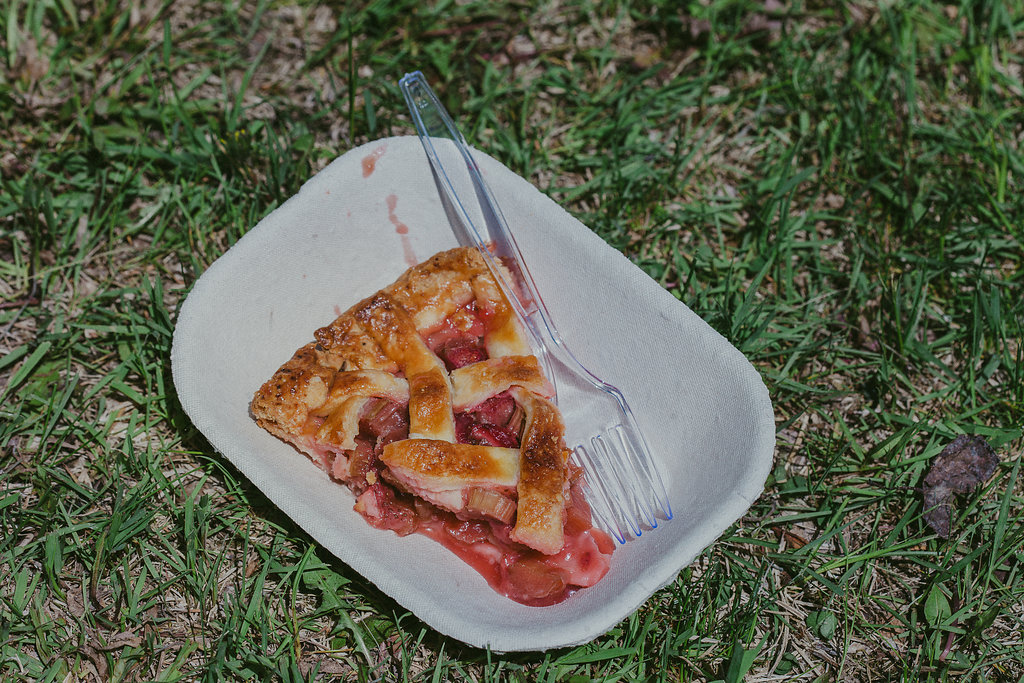
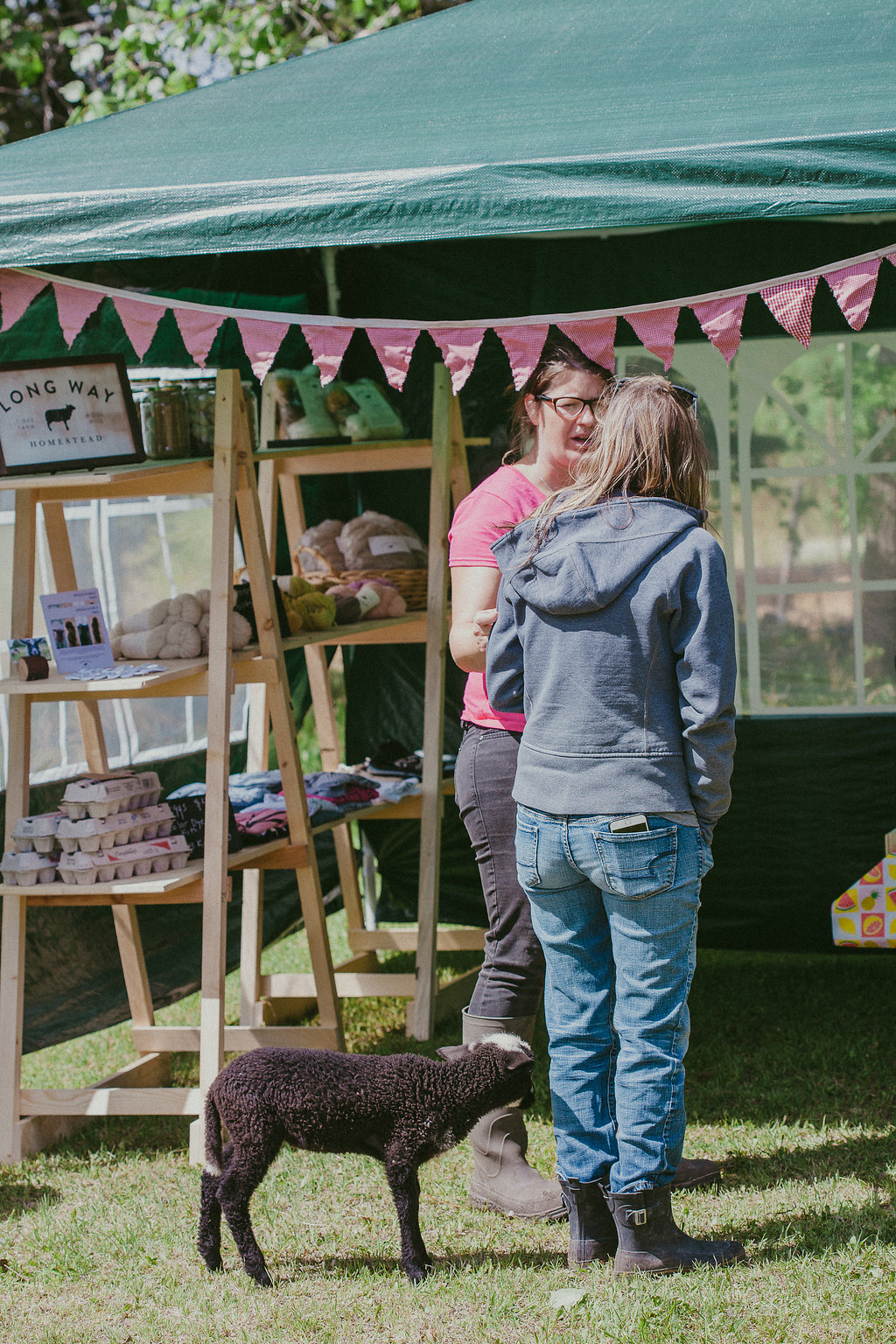
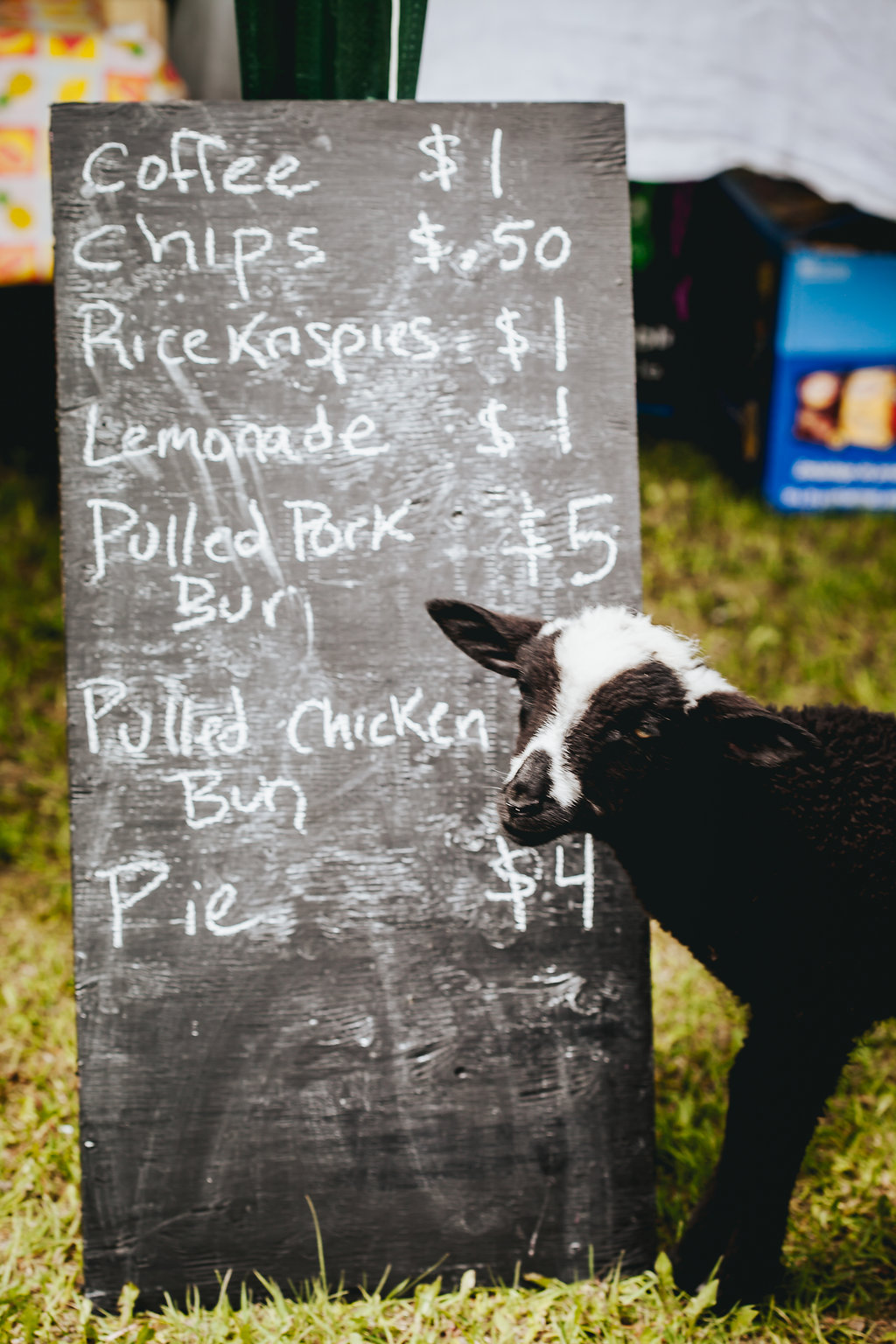
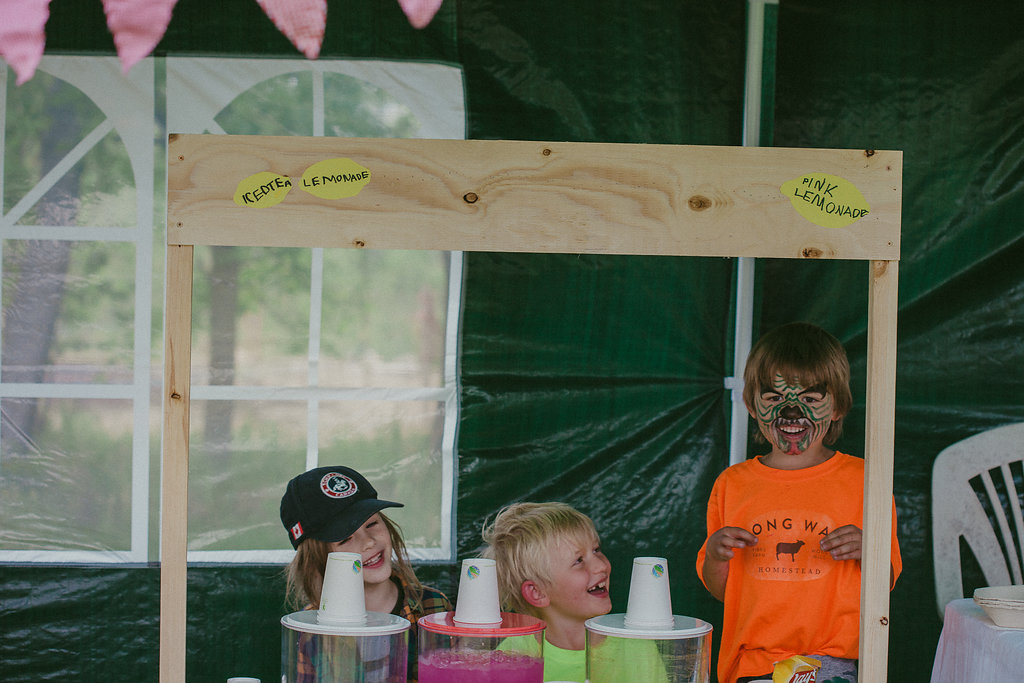
We will see you all again for our next open farm day!
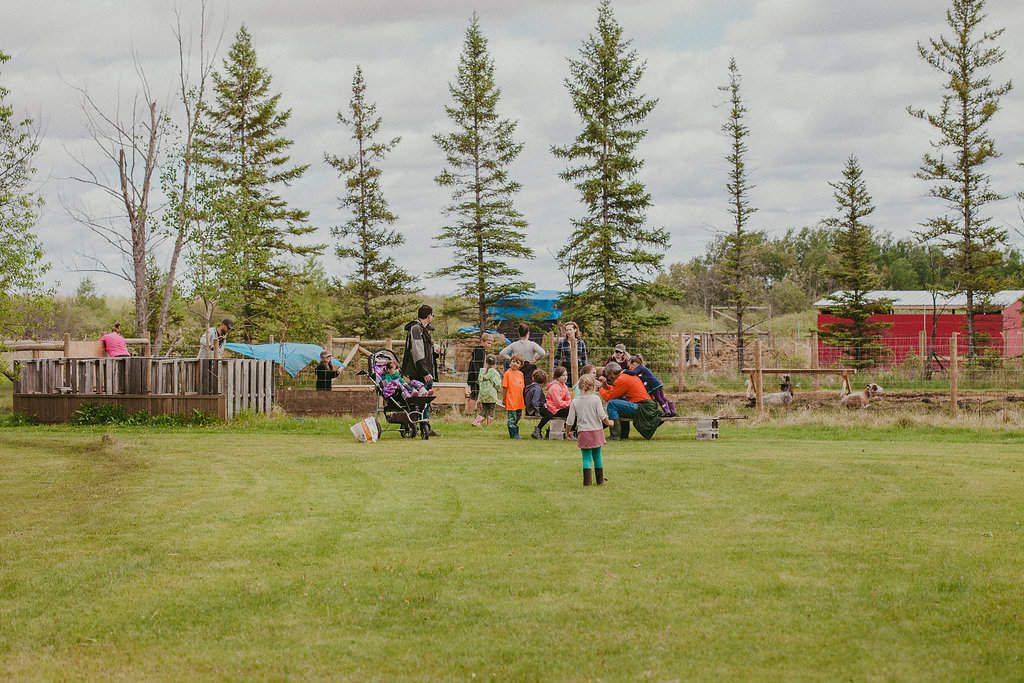
SponsorSHEEP 2018 -
On Friday, June 1st at 6pm (central standard time) we will be releasing our 2018 round of sponsorSHEEP lambs! We have 8 girls that we will be releasing for sponsorSHEEP. To sponsor any of them please visit the farm store here.
PLEASE NOTE: due to the limitation of our website, the only option available in the farm store is for $100 sponsorship. Please choose this option and if you want a higher level of sponsorSHEEP we will settle later.
Here is a description of the 2018 Lambs:
Shetland Ewe - Ashoka's Daughter

This ewe lamb was born on May 10, 2018 weighing 2.5kg. Her mother is Ashoka and the sire is Muddy, both are purebred shetland sheep. She has a twin brother. She is a very socialized girl, she loves chin scratches and playing with all the other lambs. Her colouring is beautiful as you can see in the pictures. It will be so interesting to watch as the year goes on how her fleece changes.
Shetland Ewe - Erica's Daughter
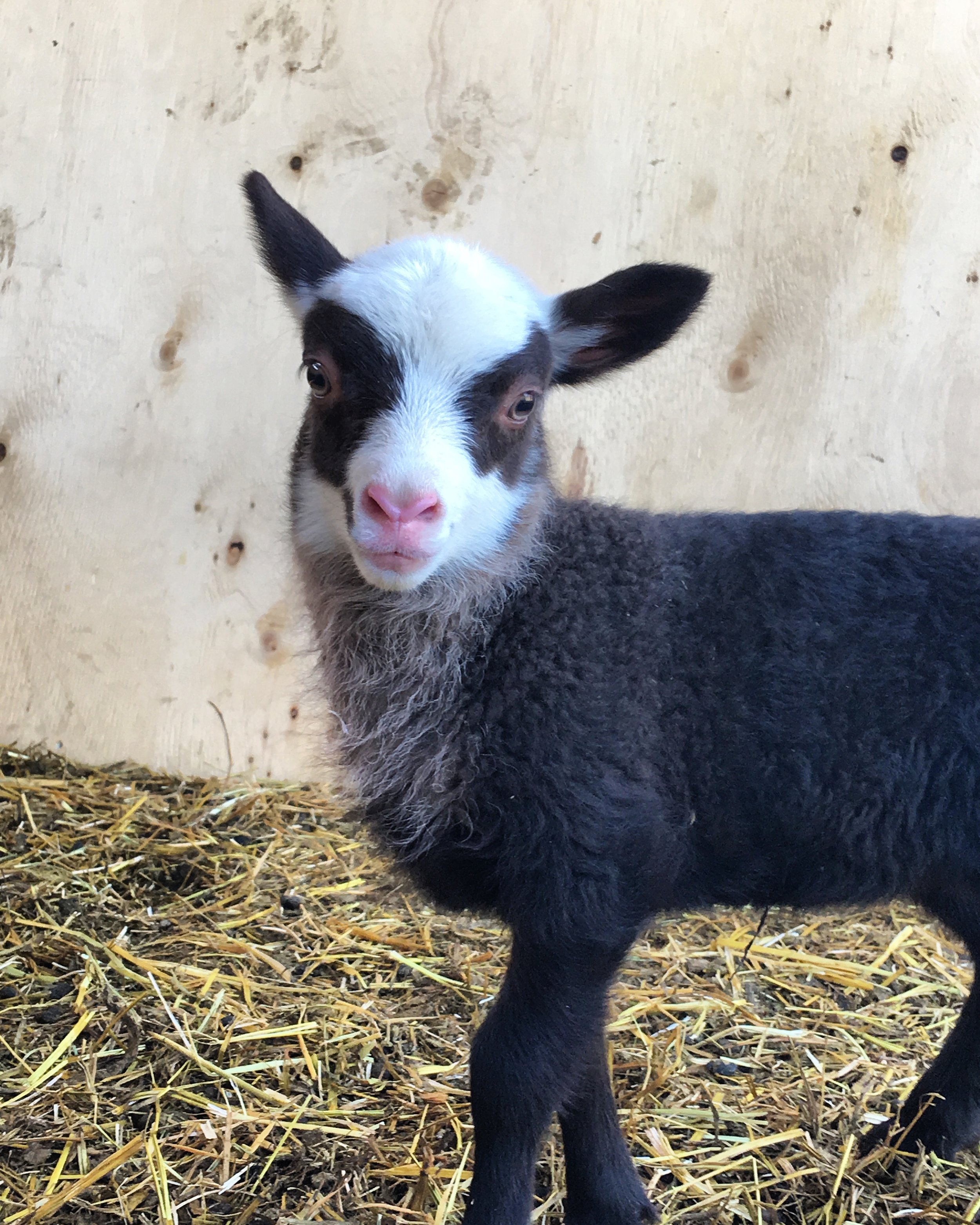
This ewe lamb was born on May 15, 2018 weighing 2.5kg. Her mother is Erica and the sire is Muddy, both are purebred shetland sheep. She has a twin brother. We have nicknamed her brown beard for the time being because of the beautiful patch of grey/brown fleece down her neck. She has beautiful fleece and we love that she is carrying on her mother’s eye-patches.
Shetland Ewe - Bryn's Daughter #2

This ewe lamb was born on May 24, 2018 weighing 2. kg. Her mother is Bryn and the sire is Muddy, both are purebred shetland sheep. She has a twin sister, with a lighter brown face. She was much larger than her sister when she was born, but is much more timid than her sister. She hides behind Bryn and is the hardest one for me to take photo’s of. Her fleece is beautiful and I look forward to watching it develop this year!
Shetland Ewe - Bryn's Daughter #1 SponsorSHEEP

This ewe lamb was born on May 24, 2018 weighing 2.15kg. Her mother is Bryn and the sire is Muddy, both are purebred shetland sheep. She has a twin sister, with a darker black/grey face. She was much smaller than her sister when she was born, but she makes up for it in attitude. You can always tell when she is looking for her mama - she might be the loudest lamb we have!
Shetland Ewe - Cairo's Daughter #1

This ewe lamb was born on May 19, 2018 in the middle of a huge rain storm in the middle of the night she weighed 2.5kg. Her mother is Cairo and the sire is Muddy, both are purebred shetland sheep. She has a twin sister. She is a very playful lamb, and we love watching her run, because every time she runs anywhere she does this awesome sideways kick in the air. She has the classic markings of her mom and her half sisters
Shetland Ewe - Cairo's Daughter #2

This ewe lamb was born on May 19, 2018 in the middle of a huge rain storm in the middle of the night she weighed 2.5kg. Her mother is Cairo and the sire is Muddy, both are purebred shetland sheep. She has a twin sister. She is very dark with a few white hairs on the top of her head. She loves to play with the other lambs, but isn’t very adventurous on her own yet. Her fleece is a beautiful dark brown.
Shetland Ewe - Nora's Daughter #1

This ewe lamb was born on May 23, 2018 weighing 2.25kg. Her mother is Nora and the sire is Muddy, both are purebred shetland sheep. She has a twin sister. She is still so tiny, but has started playing with all the other sheep. She is very mindful of where her mom is, and will stick close by most of the time. Her colouring is lovely, and was a shock, as this mom usually only has dark brown lambs!
Shetland Ewe - Nora's Daughter #2

To read about the perks involved in sposorSHEEP you can read about it over here.